We wish you all the best in your journey to success

  • Weight Loss for Busy Moms: Realistic Tips That Fit Your Crazy Life (No Guilt Included)

    tired mom sits at kitchen table with child and kids food

    Let’s cut to the chase: this is for the moms who barely have time to pee alone, much less attempt a full-blown diet overhaul. This article is a no-nonsense look at weight loss methods that don’t require you to turn your life upside down—just some tweaks you can sneak in between soccer practice and laundry. If “finish the cold mac and cheese so it doesn’t go to waste” sounds suspiciously familiar, you’re in the right place. It’s about building manageable habits, giving yourself a break from guilt, and setting expectations lower than “run a marathon with three hours of sleep.” Simple, doable, and honest strategies—these are the survival tools we’re actually willing to try. Let’s be real—it’s hard enough just keeping everyone alive, let alone finding time to focus on your own health. Between the endless swirl of errands, little ones climbing the furniture, and the mental fog that seems to come standard with parenthood, tackling weight loss sometimes feels totally impossible. This post is here to call out that struggle and show you a way around it with advice that won’t make your eyes roll. We’re focusing on smaller, realistic changes that fit into the daily madness—no charts, no impossible schedules. Honestly, if you’re searching for something that works with your actual life, you’re in the right spot.

    mom stretches by window in workout clothes child nearby

    Let’s be real—it’s hard enough just keeping everyone alive, let alone finding time to focus on your own health. Between the endless swirl of errands, little ones climbing the furniture, and the mental fog that seems to come standard with parenthood, tackling weight loss sometimes feels totally impossible. This post is here to call out that struggle and show you a way around it with advice that won’t make your eyes roll. We’re focusing on smaller, realistic changes that fit into the daily madness—no charts, no impossible schedules. Honestly, if you’re searching for something that works with your actual life, you’re in the right spot.

    Let me guess: you’re standing in the kitchen, poking at your kid’s cold spaghetti, realizing—wait, didn’t I skip breakfast… again? If that’s you, you’re not alone. I can’t even count the times when all I “ate” by 2 PM was half an energy bar and a couple of fries left on someone’s plate. Life with kids means you’re usually last in line for an actual meal, with chaos winning the battle every single day.

    And have you noticed? A lot of the advice floating around out there just seems completely disconnected from what motherhood really looks like. Join a trendy fitness class! Prep a week’s worth of macro-balanced meals! Sure, in another life, maybe. For the rest of us running on caffeine and prayers, anything that survives more than three days is a win. It’s not about going big, it’s about what you can actually pull off—like drinking water (hey, hydration can count as self-care) or swapping out one snack for something with a little protein.

    People always talk about miracle mom hacks, but if we’re being honest, it’s usually just basic stuff—stuff that’s been awkwardly jammed into a busy mom’s life instead of rethinking the approach entirely. So instead of feeling shame about skipping the fancy fitness plan, give yourself a little space to pick off tiny wins. That early morning spin class? You’ll be asleep, thanks. Let’s stick to something that will actually stick around—manageable tweaks, not a full personality transplant.

    Now, does it actually work if you’re not going full-throttle every single day? Surprisingly, yeah. Turns out, results come to those who stop chasing perfection and just keep showing up. Look at the Fit Mother Project, for example—even the simplest mix of home workouts, bodyweight moves, and rest (yes, rest!) can move the needle if you find a rhythm that works for you. The kind of story you don’t believe at first: one mom lost more than 100 pounds in less than a year, and her “secrets” were laughably straightforward. Not easy, but totally doable, and honestly kind of inspiring.

    What’s even better, you don’t need separate time carved out from family life. Honestly, working the kids into your movement—walking, playing outside, goofing around—can turn into some shockingly sweet moments. I know a woman who started walking loops around the block after dinner with her kid, and they got way more out of those laps than just steps—real conversations, actual bonding. No gym required.

    But let’s be real, there’s no magic fix. Most plans skip the part where you’re exhausted beyond belief, and cooking might as well be rocket science after a night of terrible sleep. That’s when doing something simple ahead—like baking a batch of egg muffins on Sunday—saves you from hitting the snack drawer in a panic. Some days you’ll win. Some days, leftover pizza and no movement at all. The important thing? Don’t upend your life, just sneak changes in wherever you can. Toothbrush squats, a few seconds of dancing in the living room while folding laundry—it counts. Don’t let Instagram “hustle” fool you.

    Those tiny steps are what actually matter. Sometimes the only thing standing in your way is the guilt that it’s not enough. Here’s the secret: it is. Your body has done amazing things. Even the smallest changes—even the days you feel like a mess—are more than good enough to get going.

    Honestly, you’ve already scaled bigger mountains than this. Diets that demand you become someone else? Toss them. Real, meaningful change comes from those tiny, sometimes clumsy steps you manage to pull off in the middle of all the madness. Your body deserves some credit for everything it’s already done—don’t rush it, don’t punish it. If you feel like trying again tomorrow, pick one small thing and make it yours. That’s more than enough.

    mom and child relax smiling on couch in peaceful living room

    Honestly, you’ve already scaled bigger mountains than this. Diets that demand you become someone else? Toss them. Real, meaningful change comes from those tiny, sometimes clumsy steps you manage to pull off in the middle of all the madness. Your body deserves some credit for everything it’s already done—don’t rush it, don’t punish it. If you feel like trying again tomorrow, pick one small thing and make it yours. That’s more than enough.

    The Best Diet and Weight Loss Plan for Busy Moms

    Stay At Home Mom Exercise And Weight Loss The Fit Mother Project

    This 3-step plan helped a mom lose 103 pounds in 11 months

    Today’s related searches: effective workout routines for moms, weight loss meal planning strategies, strength training for busy mothers, consistent exercise for weight loss, healthy eating tips for mothers

    [intro_box]
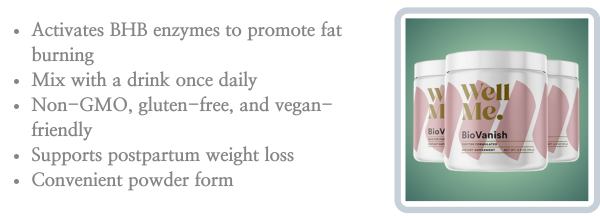
    🔥 BioVanish
    Enzyme-activated formula for fat burning
    👉 Simple daily drink to support postpartum slim-down

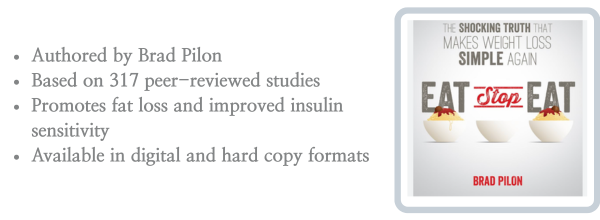
    🔥 Eat Stop Eat (book)
    Intermittent fasting strategy backed by science
    👉 Discover how fasting boosts fat loss safely

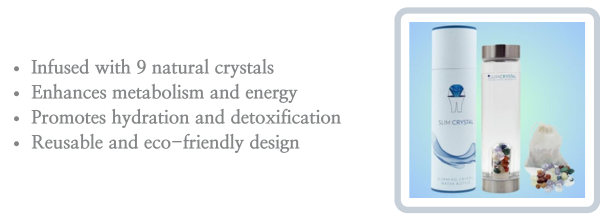
    🔥 Slim Crystal
    Crystal-infused water bottle for weight wellness
    👉 Drink smart and detox with every sip

  • Weekend Weight Gain: Why It Happens & How to Stay on Track Without Sacrificing Fun


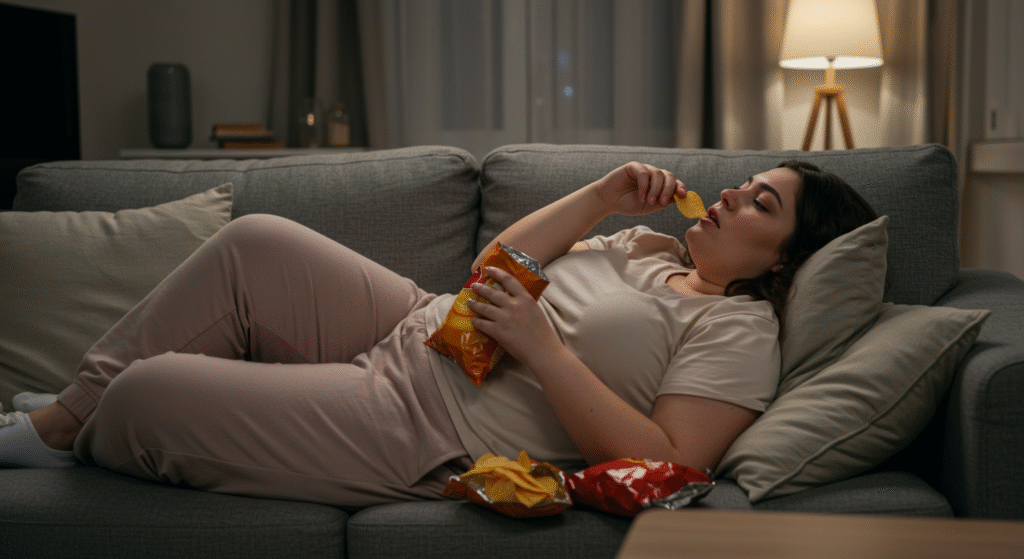
    A plus-size woman lying on a couch in a relaxed position

    Ever step on the scale Monday morning and wonder how things went off the rails that fast? Trust me, you’re not imagining it—weekends have a way of sneaking in those extra pounds. This article spills the truth about why Saturday and Sunday are kind of tricksters when it comes to keeping your weight steady, and how a few no-nonsense choices (with plenty of room for fun, promise) can keep your progress intact. We all know that little panic when your pants seem tighter after two days off—so annoying, right? Somehow, all week you march along making decent choices, and then the weekend comes out of nowhere with that friend texting about brunch, or a movie night that’s all snacks and popcorn. And as much as I’d love to just ignore it, those splurges do add up. But here’s what gets me: weekends don’t actually have to ruin your progress. What if, instead of dreading Mondays, you could actually use the extra time and freedom to give your health goals a bit of a boost?

    friends eating outdoors as one checks meal plan and another ties shoes

    We all know that little panic when your pants seem tighter after two days off—so annoying, right? Somehow, all week you march along making decent choices, and then the weekend comes out of nowhere with that friend texting about brunch, or a movie night that’s all snacks and popcorn. And as much as I’d love to just ignore it, those splurges do add up. But here’s what gets me: weekends don’t actually have to ruin your progress. What if, instead of dreading Mondays, you could actually use the extra time and freedom to give your health goals a bit of a boost?

    What It Is & Why People Try It

    Yeah, nobody actually wants a weekend that feels like detention—missing out on celebrations or dreading any deviation from “the plan.” Who signed up for that? The real secret is not letting loose so hard on your days off that you wreck everything you built during the week. It’s about finding something that feels like living, but doesn’t set you back at square one every Monday.

    I can’t count the number of times I’ve heard someone sigh, “Ugh, my weekends just kill my progress.” Turns out, all that “cheat day” talk isn’t just dramatic—if you go completely wild on Saturday and Sunday, you really can erase a week’s worth of work in a couple of meals. But, if you can keep things somewhat steady (and maybe skip the “all or nothing” thinking), you might be surprised at how manageable it feels. According to ThedaCare, folks who eat similarly on weekends as they do weekdays have an easier time not spinning their wheels.

    Does It Work?

    Honestly, you can tell when someone finds their groove with this. People who keep up some kind of routine—even if it’s just moving more or not abandoning their usual eating entirely—tend to avoid the frustrating “gain all weekend, lose all week” merry-go-round. Shifting Saturday into something energizing (like a hike, tennis, even wrangling weeds in the garden) instead of flopping on the couch with a bag of chips? That can make all the difference. Plus, you don’t have to go hardcore to see a change.

    Of course, being excessively strict can backfire. I had a coworker who would be SO rigid with her food from Monday through Friday, then she’d collapse into all-out snacking and regret come Saturday night. The funny thing? When she learned to loosen up—give herself a treat here, a break there—she actually found it way easier to stay on track all month long.

    Another friend totally reinvented how she “relaxed.” Instead of laying around, she started picking activities with friends (think low-key hikes followed by a mellow brunch—not the bottomless kind). Suddenly, those Monday morning blues started disappearing. Who would’ve guessed that doing *something* made weekends more fun, not less?

    Look, weekends are this weird mix of freedom and temptation—and let’s be honest, sometimes that’s exactly why we love them. The problem is, when that freedom turns into a total free-for-all, progress gets tossed out the window. I’ve kind of learned (after many mistakes) that being “good” during the week doesn’t always mean I can get away with eating pizza for every meal once Saturday hits.

    Imagine you go for a big burger on Saturday night with friends. Totally fine! But if brunch, snacks, and dessert get piled on too, suddenly things spiral. It’s not about guilt—because food is supposed to be enjoyed—but it does help to pay attention. Maybe you split dessert, or swap that second cocktail for a sparkling water. Or maybe you discover you actually love the activity part of your weekend, and suddenly that two-hour walk with your dog makes you feel way less bad about Sunday waffles.

    And you know what I wasn’t expecting? The power of habits, even tiny ones, on Saturday and Sunday. For me, making just a half-decent breakfast at home or getting outside first thing sets the tone for the entire day. You realize pretty quickly that you’re not stuck in that “all or nothing” trap.

    Some people try planning out their weekends a little more—and yeah, that can sound boring—but even a rough idea (“I’ll hit the farmer’s market Saturday, and maybe cook something fun Sunday night”) kinda keeps things from going too far off the rails. Doesn’t mean every minute is scheduled, just gives you something to look forward to that isn’t eating chips in front of Netflix till midnight.

    Also, can we talk about sleep? Because late-night parties and streaming marathons often mean less sleep, which somehow makes “I NEED pancakes” feel like an emergency on Sunday morning. Sometimes the best thing you can do for your waistline is go to bed at a reasonable hour. Sounds so old, but wow, it works.

    couple smiling carrying fresh produce at busy farmers market

    Sources

    • Ways to Sidestep Weekend Weight Gain – WebMD

    • Simple Tips to Prevent Packing on Pounds over the Weekend – ThedaCare

    • 9 Things to Do (and Not Do) to Avoid Gaining Weight over the Holidays – HSS


    Today’s related searches: how to avoid weekend weight gain, healthy weekend meal planning tips, smart eating out strategies weekends, meal prep for weekend success, active relaxation ideas for weight loss


    [intro_box]
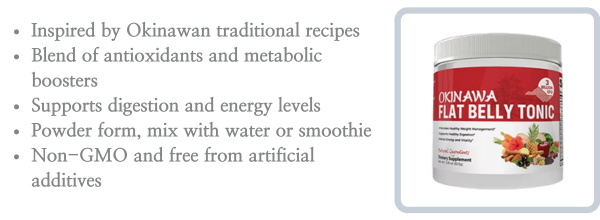
    🔥 Okinawa Flat Belly Tonic
    Inspired by ancient Okinawan metabolism herbs
    👉 Natural way to burn belly fat and boost digestion
    🔥 Slim Crystal
    Crystal-infused water bottle for weight wellness
    👉 Drink smart and detox with every sip
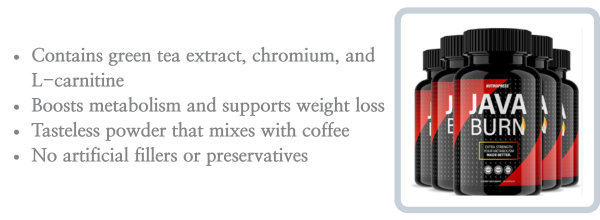
    🔥 Java Burn (duplicate variant)
    Flavorless fat-burning powder with green tea
    👉 Slim down silently with your morning brew
  • Stop Obsessing Over the Scale: Why Your Weight Doesn’t Tell the Whole Story

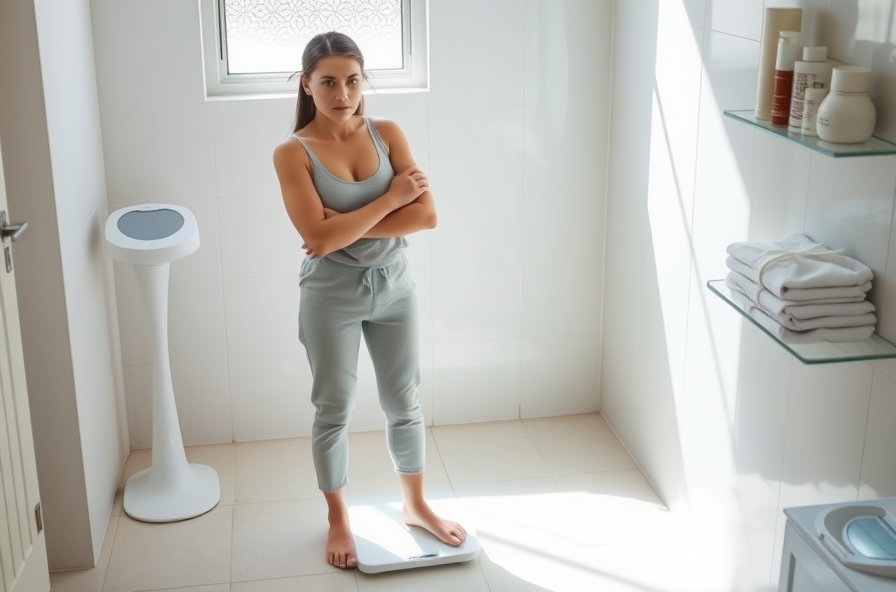
    woman stands barefoot looking worried at bathroom scale

    If you’ve ever hopped on the scale and braced yourself like you’re opening a really stressful email, you are absolutely not alone. This article is for anyone who’s ever let a tiny number mess with their whole day (or whole life, honestly). We’ll look at why we put so much stock in what the scale tells us, and how that gets tangled up with how we see ourselves. Then there are a bunch of ways to start breaking out of that exhausting routine—less about chasing numbers, more about actually feeling good in your own skin. Whether you’re ready to ditch the scale for good or just want to worry about it a little bit less, you might find something here that helps. Here’s how it usually goes down: wake up, do all the usual morning things, and then that awkward pause in front of the bathroom scale. You step on, watch those numbers spin, and honestly? Sometimes it feels like whether your day is happy or miserable depends on what pops up. It’s wild how that stupid plastic rectangle can decide if you leave the house with your head held high or dragging your feet. And yeah, a lot of us have given it way more influence than it deserves.

    woman sits on bed journaling relaxed with scale under dresser

    If you’ve ever hopped on the scale and braced yourself like you’re opening a really stressful email, you are absolutely not alone. This article is for anyone who’s ever let a tiny number mess with their whole day (or whole life, honestly). We’ll look at why we put so much stock in what the scale tells us, and how that gets tangled up with how we see ourselves. Then there are a bunch of ways to start breaking out of that exhausting routine—less about chasing numbers, more about actually feeling good in your own skin. Whether you’re ready to ditch the scale for good or just want to worry about it a little bit less, you might find something here that helps.
    Here’s how it usually goes down: wake up, do all the usual morning things, and then that awkward pause in front of the bathroom scale. You step on, watch those numbers spin, and honestly? Sometimes it feels like whether your day is happy or miserable depends on what pops up. It’s wild how that stupid plastic rectangle can decide if you leave the house with your head held high or dragging your feet. And yeah, a lot of us have given it way more influence than it deserves.
    Getting stuck on the scale is a real thing—some of us turn that number into a daily mood meter. Maybe you’ve caught yourself hopping on the scale morning, noon, and night, obsessing over every tiny shift (that’ll ruin lunch for you, trust me). Or maybe you do the opposite and hide from it, heart pounding just thinking about a weigh-in. And those tiny milestones—celebrating 148.5 instead of 149, like it’s a cosmic achievement? Been there. It’s almost funny, but not really.
    Dig around online, and you’ll keep running into this idea: for many, the ritual is about control more than anything else. It’s one sure thing you can track when life feels unpredictable. Chasing that “perfect” number sort of feels like proof you’re nailing it. Doesn’t hurt that every diet app out there tells you to keep track. Before you know it, chasing numbers starts running the show. And somehow, those decimal points start to matter more than they really should.

    But let’s face it: what the scale says is not the full story. Actually, it’s barely telling you anything useful half the time. Weight can bounce around for a million random reasons—salty dinner, tough workout, monthly cycles, you name it—all things your scale can’t exactly explain. And if you peek at places like Quora, so many folks finally see their so-called “magic number,” only to feel weirdly disappointed once they get there. Kind of a letdown, honestly.
    I’ve got a friend who stopped torturing herself with daily weigh-ins and decided to do it once a week, then just paid attention to how her jeans fit. She swears her anxiety took a nosedive. Turns out there were wins she’d missed before—like waking up with more energy, or feeling stronger—which a scale will never recognize. What I’m getting at: once you demote the scale to just another random gadget instead of Your Life Coach, things get a lot easier.
    If you’re stuck in that weigh-in loop, maybe pause and ask: why? Are you looking for permission to feel okay, or clinging to a small bit of control, or something else? For me, shifting the focus from obsessing about numbers over to paying attention to how I actually feel turned out to be a weird relief. Seriously, if those glowing digits are making or breaking your mood all the time, that’s a sign you need new rules. A little reminder—the scale could say anything, but you’re still you. You always matter, regardless.
    The number on that scale does not, and never will, measure what actually makes you valuable. Your body is supposed to change—it’s alive!—and putting all your attention on a single stat just robs you of noticing what’s actually going right. Give yourself space to appreciate everything your body does for you. If breaking away from scale obsession feels impossible, try to ease up and practice a little kindness toward yourself. That’s where the real, lasting progress actually starts.

    woman walks smiling and chatting in bright living room

    The number on that scale does not, and never will, measure what actually makes you valuable. Your body is supposed to change—it’s alive!—and putting all your attention on a single stat just robs you of noticing what’s actually going right. Give yourself space to appreciate everything your body does for you. If breaking away from scale obsession feels impossible, try to ease up and practice a little kindness toward yourself. That’s where the real, lasting progress actually starts.

    sources

    Today’s related searches: how to stop weighing daily, replacing scale with non scale victories, breaking emotional attachment to weight scale, practical ways to reduce scale anxiety, how to track health without scale

    [intro_box]

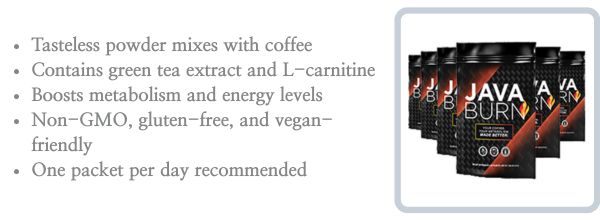
    🔥 Java Burn
    Metabolism-boosting powder you mix with coffee
    👉 Burn fat invisibly with your morning cup

    🔥 BioVanish
    Enzyme-activated formula for fat burning
    👉 Simple daily drink to support postpartum slim-down

    🔥 Java Burn (duplicate variant)
    Flavorless fat-burning powder with green tea
    👉 Slim down silently with your morning brew

  • Fasted Cardio: Does Working Out on an Empty Stomach Really Burn More Fat?

    tired woman with messy hair sits on bed holding her stomach

    You’ve probably caught a friend or influencer talking up the magic of getting sweaty before breakfast—fasted cardio, they call it. The idea is everywhere: wake up, skip the toast, and hit the pavement, supposedly melting off fat like clockwork. But is there anything to it, or is this yet another fitness myth that sounds better than it actually works? This article breaks down what fasted cardio is all about, what it really does to your body, and why skipping your morning muffin might not overhaul your waistline after all. If you’ve been wondering if giving up your breakfast for a workout is a game-changer, stick around. So, here’s the scoop on fasted cardio: it basically just means doing your morning jog, spin, or power walk without eating first. An empty stomach, usually right after you tumble out of bed. Tons of fitness blogs and gym folks have jumped on this train, swearing it’s the secret sauce to torching more fat and kick-starting your metabolism for the day. But is it really as miraculous as it sounds? Let’s dig in and figure out what’s really going on when you swap breakfast for burpees.

    woman walks on treadmill in sunlit living room with fitness tracker

    So, here’s the scoop on fasted cardio: it basically just means doing your morning jog, spin, or power walk without eating first. An empty stomach, usually right after you tumble out of bed. Tons of fitness blogs and gym folks have jumped on this train, swearing it’s the secret sauce to torching more fat and kick-starting your metabolism for the day. But is it really as miraculous as it sounds? Let’s dig in and figure out what’s really going on when you swap breakfast for burpees.

    Ever tried wrenching yourself out of bed before the sun comes up, chugging some water, and heading straight out for a run with nothing in your stomach but maybe some lingering dreams? Maybe you’ve got that one friend who swears early morning fasted workouts changed their life. Honestly, it’s got a certain appeal—you’re “hacking” your way to fat loss, right?

    Alright, so fasted cardio is super simple at its core: you’re heading out to exercise before you eat in the morning, usually after eight-ish hours of not touching food. There’s this popular theory that, since your body’s emptied its tank of stored sugar (glycogen) through the night, it has no choice but to burn through fat when you get moving. On paper, that sounds like a free pass to shed a few pounds before breakfast.

    And plenty of gym-goers latch onto it—some for the supposed fat-burning edge, others just because working out first thing fits better into their schedule, or hey, maybe the idea of exercising on a full belly just makes them queasy.

    Most articles out there will tell you the “magic” of fasted cardio is at its peak right when you wake up. You’ve fasted all night, so your body’s basically prepped for this little experiment whether you planned it or not.

    Here’s where reality kicks in, though. When researchers look into whether all this pre-breakfast exercise is really working overtime for fat loss, things get muddled. You might use a little more fat during your actual workout when you skip eating first, and sure, the energy boost from moving early can make you feel like you’ve already accomplished something before your day even starts.

    But, plot twist: when you add up your calories burned across the whole day, it barely makes a difference whether you did your cardio fasted or with a piece of toast in you. Honestly, it shocked me. I watched a buddy stick to fasted runs for a whole season, raving about it, but eventually admitted there wasn’t much to write home about results-wise. Turns out, the biggest win was just picking a routine she could keep going with.

    If you’re still curious about giving fasted cardio a whirl, most trainers say to take it easy. This isn’t the time for hardcore intervals or marathon training—not unless you really know your body. Light stuff like walking, jogging, or cruising on a bike usually goes just fine, but going too hard without fuel can make you woozy, or honestly kind of grumpy and over it.

    In the end, your routine should feel doable, not dreadful. The “best” time to work out is really the one you can live with—whether it’s at sunrise or sometime after lunch. Listen to your body, experiment a little, and don’t get sidetracked by Instagram hype. If you’re getting stronger and feeling good, you’re doing exactly what you should be.

    Honestly, there’s no single right answer here—just what works for you. If skipping breakfast before sweat time has you bouncing through your day, awesome! If you’d rather have a banana in your system, there’s zero shame in that. Fitness isn’t about ticking trendy boxes; it’s about feeling good in your body and having the energy left for the rest of your life. Mix it up if you have to, and celebrate those days when you just get out there, whatever routine you’re following.

    smiling woman enjoys breakfast with friend in bright kitchen

    Honestly, there’s no single right answer here—just what works for you. If skipping breakfast before sweat time has you bouncing through your day, awesome! If you’d rather have a banana in your system, there’s zero shame in that. Fitness isn’t about ticking trendy boxes; it’s about feeling good in your body and having the energy left for the rest of your life. Mix it up if you have to, and celebrate those days when you just get out there, whatever routine you’re following.

    • The Do’s and Don’ts of Fasted Cardio – Shokz

    • Are There Benefits of Fasted Cardio? – Healthline

    • Morning vs. Evening Cardio – Livestrong.com

    Today’s related searches: fasted cardio muscle loss prevention, benefits of low intensity fasted cardio, fasted cardio workout performance tips, how to avoid gluconeogenesis during fasting, fasted cardio versus fed state comparison

    [intro_box]
    🔥 Okinawa Flat Belly Tonic
    Inspired by ancient Okinawan metabolism herbs
    👉 Natural way to burn belly fat and boost digestion

    🔥 Eat Stop Eat (book)
    Intermittent fasting strategy backed by science
    👉 Discover how fasting boosts fat loss safely

    🔥 Java Burn
    Metabolism-boosting powder you mix with coffee
    👉 Burn fat invisibly with your morning cup

  • OMAD Diet: The Truth About Eating One Meal a Day for Weight Loss & Focus

    young woman holding her stomach at a messy kitchen table

    You’ve probably heard whispers (or, let’s be real, TikTok rants) about this thing called the “One Meal a Day” or OMAD diet. It seriously flips the usual breakfast-lunch-dinner routine on its head: just one big meal every 24 hours, and that’s it. Sounds a bit wild, right? Yet plenty of folks are convinced it’s the ticket to rapid weight loss and razor-sharp focus. Of course, it’s not all miracle results—there’s hunger to wrestle with, energy crashes that can sneak up on you, and legit concerns about whether it’s actually safe long-term. Let’s take a look at what OMAD is really about—the good, the messy, and the maybe-not-worth-it. You know those days when lunch feels a million years away and your stomach’s basically yelling at you? Imagine signing up for that feeling, but on purpose, almost every day. That’s the One Meal a Day diet in a nutshell. And strangely enough, tons of people say it’s the best thing ever. I’ll admit, my first thought was, “Why on earth would anyone do that to themselves?” But the whole thing has built up a kind of loyal fandom. Clearly, there’s something that draws people in—maybe some hidden perk, or at least a reason they’re willing to put up with the craziest kind of hunger.

    man at a desk drinking coffee looking hungry and tired

    You’ve probably heard whispers (or, let’s be real, TikTok rants) about this thing called the “One Meal a Day” or OMAD diet. It seriously flips the usual breakfast-lunch-dinner routine on its head: just one big meal every 24 hours, and that’s it. Sounds a bit wild, right? Yet plenty of folks are convinced it’s the ticket to rapid weight loss and razor-sharp focus. Of course, it’s not all miracle results—there’s hunger to wrestle with, energy crashes that can sneak up on you, and legit concerns about whether it’s actually safe long-term. Let’s take a look at what OMAD is really about—the good, the messy, and the maybe-not-worth-it.

    You know those days when lunch feels a million years away and your stomach’s basically yelling at you? Imagine signing up for that feeling, but on purpose, almost every day. That’s the One Meal a Day diet in a nutshell. And strangely enough, tons of people say it’s the best thing ever. I’ll admit, my first thought was, “Why on earth would anyone do that to themselves?” But the whole thing has built up a kind of loyal fandom. Clearly, there’s something that draws people in—maybe some hidden perk, or at least a reason they’re willing to put up with the craziest kind of hunger.

    OMAD really is as simple—and as hardcore—as it sounds. You pick a single hour out of your day, and that’s the only time you eat anything. The remaining 23 hours? Water, maybe black coffee, and a whole lot of discipline. For some, the lack of food decisions is freeing. All day, you don’t have to think about what’s for breakfast or where to grab lunch. Instead, you’ve got one satisfying meal to plan. The main hype is definitely about weight loss—because, let’s face it, it’s tough to overeat if you only allow yourself to feast for one hour. Some die-hard fans even claim they feel more energetic or laser-focused once their body gets used to it (though, fair warning, your mileage may seriously vary). It’s like someone took regular intermittent fasting, cranked the intensity way up, and said, “Let’s see what happens if you skip everything except dinner.” It kind of turns eating into a daily event—a weird thrill ride between intense hunger and food euphoria.

    But does it really work? Well, the answer is kind of all over the place. People absolutely lose weight, often pretty quickly, at least at the start. It just kind of makes sense—you simply can’t eat as much in an hour as you would in a whole day. But, as with most things that sound too good to be true, there’s a catch (or a few). I had a close friend who gave OMAD a serious try; she basically melted at first—pants got loose, confidence shot up. A week or two in though, she’d get hangry for real, spaced out during conversations, and wobbled through her workouts. So yeah, fast-track results, but also some rough side effects. There’s even a 2022 study floating around that points to a higher risk of dying from heart problems for people who stick to OMAD. Plus, skipping out on meals for that long can mess with your head and eating patterns—some folks end up bingeing or just thinking about food all the time, which isn’t exactly healthy.

    If you’re after some of the positives like easier calorie control or a sharper mind, but you’d rather not feel like a zombie by 5pm, something a bit less extreme—like the 16/8 intermittent fasting thing—might be better. Skip breakfast, eat a hearty lunch and dinner, and you’ll probably keep most of the benefits without those hunger mood swings. Honestly, most dietitians will nod and say no single formula is perfect for everyone anyway. A lot depends on what your own body tolerates, how you want to feel, and even your daily schedule. What works for your neighbor might leave you pretty miserable, so it’s worth figuring out what helps you feel (and live) your best, rather than just chasing another online trend.

    At the end of the day, tuning into what your body is actually telling you might be the smartest “diet” of all. The pros will say it again and again: real, lasting habits come from paying attention to hunger and fullness—not forcing yourself into some rigid program just because it’s popular.

    Everybody’s wired differently. There’s no magic bullet when it comes to food, no universal plan that works for every person, every lifestyle, every situation. Genetics, stress, how you’re sleeping—all of that stuff influences how you feel about food and how your body reacts to different eating schedules. And sometimes, just being gentle with yourself and your cravings is more important than any plan you could find online.

    peaceful woman relaxing on sofa with fruit and tea smiling

    At the end of the day, tuning into what your body is actually telling you might be the smartest “diet” of all. The pros will say it again and again: real, lasting habits come from paying attention to hunger and fullness—not forcing yourself into some rigid program just because it’s popular.

    Everybody’s wired differently. There’s no magic bullet when it comes to food, no universal plan that works for every person, every lifestyle, every situation. Genetics, stress, how you’re sleeping—all of that stuff influences how you feel about food and how your body reacts to different eating schedules. And sometimes, just being gentle with yourself and your cravings is more important than any plan you could find online.

    Sources

    • The surprising ups and downs of “One Meal a Day”—what Healthline thinks

    • Is OMAD safe? A look at the good and bad sides – Medical News Today

    • OMAD: What you really need to know – Health

    Today’s related searches: omad meal prep tips, how to start omad diet safely, one meal a day nutrition plan, beginner omad meal ideas, maintaining energy on omad diet

    [intro_box]

    🔥 Eat Stop Eat (book)
    Intermittent fasting strategy backed by science
    👉 Discover how fasting boosts fat loss safely

    🔥 Java Burn
    Metabolism-boosting powder you mix with coffee
    👉 Burn fat invisibly with your morning cup

    🔥 Okinawa Flat Belly Tonic
    Inspired by ancient Okinawan metabolism herbs
    👉 Natural way to burn belly fat and boost digestion

  • Weight Loss Supplements: Do They Actually Work? A Realistic Look Before You Buy

    woman in pharmacy aisle looking tired and overwhelmed

    Ever caught yourself tempted by a promise that seems almost too good to be true—a little pill or powder that could help you finally lose those stubborn extra pounds? Weight loss supplements are everywhere these days, ready to catch the eye of anyone hoping for a quick fix. You’ll see so many vitamins, mysterious herbs, minerals, or plants packed into pills and powders—all promising to make weight come off easier. This article takes a real, honest look at the world of weight loss supplements: all those bottles that swear they’ll change your life with minimal effort. But do these claims actually stand up to reality? Instead of just believing the ad copy, let’s dig into what these products actually are, why they reel us in, and whether they even make a difference. Here, we’ll break down what these supplements are, take a look at whether or not they actually deliver results, and flag a few key things worth knowing if you’re thinking about trying one yourself. Trust me, if you’ve stood in that supplement aisle, overwhelmed and a bit hopeful (and maybe skeptical), you’re definitely not the only one. Here’s what to really consider before reaching for your wallet—or popping anything new.

    woman talking to doctor in sunlit office while listening

    Ever caught yourself tempted by a promise that seems almost too good to be true—a little pill or powder that could help you finally lose those stubborn extra pounds? This article takes a real, honest look at the world of weight loss supplements: all those bottles that swear they’ll change your life with minimal effort. Instead of just believing the ad copy, let’s dig into what these products actually are, why they reel us in, and whether they even make a difference. Trust me, if you’ve stood in that supplement aisle, overwhelmed and a bit hopeful (and maybe skeptical), you’re definitely not the only one. Here’s what to really consider before reaching for your wallet—or popping anything new.

    Weight loss supplements are everywhere these days, ready to catch the eye of anyone hoping for a quick fix. You’ll see so many vitamins, mysterious herbs, minerals, or plants packed into pills and powders—all promising to make weight come off easier. But do these claims actually stand up to reality? Here, we’ll break down what these supplements are, take a look at whether or not they actually deliver results, and flag a few key things worth knowing if you’re thinking about trying one yourself.

    You know that feeling when you’re strolling through the pharmacy and suddenly you’re surrounded by shelves packed with promises—each bottle practically shouting that it’s the answer to your weight woes? It’s incredibly easy to want a shortcut, especially when nothing else seems to be working or when you’re just plain tired. I’ve certainly found myself staring at those claims—“Burn fat fast!” or “Suppress your appetite!”—and, for a moment, thinking maybe this will be the thing that finally makes it easy. That hope? It’s practically universal. After all, who doesn’t want things to be a little simpler sometimes?

    There’s a whole crowd of weight loss supplements out there—some come as capsules, others as drink mixes, others as wacky powders with flavors that definitely aren’t natural. The ingredients list can honestly read like something from a science experiment: caffeine, fiber, herbal blends, random vitamins, and loads of plant-based extracts. You’ve probably heard about a few of the “big names”—green tea extract, chromium, magnesium—all packaged as the next big secret to boosting your metabolism, curbing hunger, or even preventing fat from sticking around in the first place.

    And look, it’s totally understandable why people gravitate toward these products. The promise of melting away pounds without major lifestyle changes? That’s gold, especially when diet and workouts start to feel kind of hopeless or life just gets too overwhelming. According to the Mayo Clinic (and honestly, who hasn’t ended up on their site Googling something health-related?), lots of these supplements are marketed as if they can speed up how fast you burn calories or simply make you less hungry, making weight loss sound almost effortless. Most of us could use a little “edge,” or at least, we hope that’s what we’ll find in a bottle.

    Thinking about adding supplements to your weight loss toolkit? Slow down and have a chat with your doctor first—it’s honestly not worth risking your health over a promise on a bottle. They’ll help you sort out what might actually work for your body, and what’s just clever marketing. Sometimes, it’s just good to have someone in your corner before you dive in.

    woman smiling in kitchen preparing healthy meal with produce

    • Weight loss supplement basics and breakdown – Mayo Clinic

    • Do vitamins and supplements really help with weight loss? – AARP

    • Five supplements that might boost your overall health – Stamford Spine

    Today’s related searches: how to choose safe weight loss supplements, weight loss supplement side effects explained, combining vitamins for weight management, evaluating herbal weight loss aids, questions to ask before taking supplements

    [intro_box]
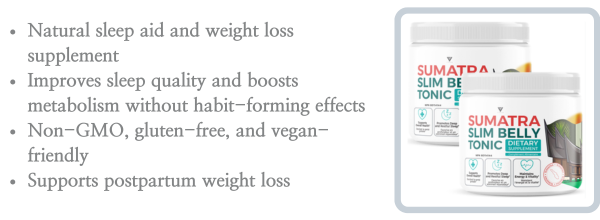
    🔥 Sumatra Slim Belly Tonic
    Supports sleep and metabolism without stimulants
    👉 Slim while you sleep, naturally

    🔥 Okinawa Flat Belly Tonic
    Inspired by ancient Okinawan metabolism herbs
    👉 Natural way to burn belly fat and boost digestion

    🔥 Eat Stop Eat (book)
    Intermittent fasting strategy backed by science
    👉 Discover how fasting boosts fat loss safely

  • High-Protein Breakfast: The Simple Secret to All-Day Fullness & Weight Loss

    tired woman at kitchen table reaching for a snack

    Ever find yourself reaching for snacks just an hour after breakfast? Oh, I’ve been there more times than I’d like to admit. This article digs into why kicking sugary cereals and pastries to the curb — and embracing a protein-first breakfast — can help you stay full, dodge random cravings, and maybe fit a little better in your jeans. Think eggs, Greek yogurt, tofu… tasty upgrades, really, nothing intimidating. There are a few stories sprinkled in too, because hey, we’re all navigating breakfast habits in our own ways. Honestly, breakfast can feel like a chore — and sometimes it just feels easier to pour a bowl of whatever sugary stuff is nearby. But, loading your plate with protein in the morning? It can flip the switch. Suddenly, you’re not as desperate for snacks, and those healthy intentions don’t have to fight so hard. There are a bunch of ways to make mornings work for you — smoothie bowls bursting with color, scrambled eggs packed with veggies, or even tofu if you’re feeling adventurous. The point is, you’ve got options that won’t leave you thinking about lunch before 10 a.m.

    woman watches friend cook eggs and veggies in bright kitchen

    Ever eat pancakes or a donut first thing, and then hours later wonder why your stomach is basically yelling at you again? Oh, trust me, I’ve spent more mornings than I care to count with that jittery, hollow feeling — and a shameful handshake with the office vending machine. Out of desperation, not optimism, I let a friend talk me into shaking up my breakfast routine with more protein. I wasn’t convinced, but I figured, why not? Couldn’t get any less satisfying.

    So here’s what I learned: a high-protein breakfast is just what it sounds like — think eggs, Greek yogurt, cottage cheese, tofu, or lean turkey. The scientists and nutrition experts aren’t making this up. Instead of the three grams of protein you’d get from a sad slice of toast, you actually start the day with 15-20 grams. That’s a real number, and you feel it — no blood sugar nosedives, no panicky hunger an hour later.

    People usually start here because, well, protein sticks with you. It digests slower; you feel full longer. Women’s Health magazine points out that protein-heavy mornings can genuinely quiet your appetite, so you’re not fighting yourself every step until lunch. Some folks even feel sharper and more energized, and if you’re working on fitness, the bonus is that extra protein means you’re not losing muscle just because you cut some calories. I didn’t expect to believe all that, but I can’t lie — my mornings felt different.

    So the experts over at EatingWell? They back this up — higher-protein breakfasts can actually help with weight loss (when the rest of your meals aren’t junk). There’s some cool science, too: protein taxes your digestive system a bit more than carbs or fat, so your body burns a little more energy processing it. The bigger helper, though, is that protein helps even out your hunger hormones, which often have a mind of their own.

    relaxed woman enjoys fruity breakfast bowl by vending machine

    Finding your groove with breakfast is wildly personal — nobody’s got the one answer for everyone. You might need to tinker a bit to figure out what satisfies you, and that’s totally okay. Stay tuned to how your body feels (I know, easier said than done), and have some fun experimenting. With a little patience, you’ll hit on a protein-packed morning favorite that actually makes you look forward to getting out of bed. And who knows? Maybe you’ll never have to duel with the vending machine again.

    sources

    • Dietitians’ Top High-Protein Breakfast Picks for Losing Weight

      httpswww.womenshealthmag.comweight-lossa19993913protein-breakfast-ideas

    • 18 High-Protein Breakfasts to Help With Weight Loss – EatingWell

      httpswww.eatingwell.comgallery8043921high-protein-breakfasts-for-weight-loss

    • EatingWell’s Month-long High-Protein Breakfast Challenge

      httpswww.eatingwell.comgallery804997530-day-high-protein-weight-loss-breakfast-plan

    Today’s related searches: high protein breakfast without eggs, easy meal prep breakfast recipes, cottage cheese breakfast bowl ideas, protein smoothie recipe weight loss, quick savory breakfast options

    [intro_box]

    🔥 Eat Stop Eat (book)
    Intermittent fasting strategy backed by science
    👉 Discover how fasting boosts fat loss safely

    🔥 Slim Crystal
    Crystal-infused water bottle for weight wellness
    👉 Drink smart and detox with every sip

    🔥 Java Burn (duplicate variant)
    Flavorless fat-burning powder with green tea
    👉 Slim down silently with your morning brew

  • Healthy Eating Out: Decode Restaurant Menus & Avoid Sneaky Calorie Traps

    person standing and frowning over a menu in a busy restaurant

    Trying to figure out what’s actually healthy when you’re eating out sometimes feels more confusing than deciphering a foreign language with no subtitles. We’re about to dig into the sneaky tricks restaurants play to make food *seem* better for you than it really is—and how these little marketing games can completely wreck your healthy intentions if you’re not careful. But don’t panic—there are ways to dodge these pitfalls. We’ll talk about where the healthier picks really hide, how to actually spot them (even if you feel lost in a sea of buzzwords), and give you some solid, realistic tips for eating out without sending your whole routine off the rails. You know the drill: you’re hungry, determined to stay on track, standing in front of a menu that feels both hopeful and a bit dangerous. “Grilled,” “fresh,” “market salad”—it all sounds so virtuous, and yet, somehow you end up with something far heavier than you bargained for. It’s almost like menu language is designed to mess with us. But hey, it doesn’t have to be a battle between joy and regret every time you want a night off from cooking. Let’s get a little smarter about how these restaurant choices really work—so you can eat out, enjoy it, and still feel good by the time you leave the table.

    person listening to server while looking at fish and vegetables

    Trying to figure out what’s actually healthy when you’re eating out sometimes feels more confusing than deciphering a foreign language with no subtitles. We’re about to dig into the sneaky tricks restaurants play to make food *seem* better for you than it really is—and how these little marketing games can completely wreck your healthy intentions if you’re not careful. But don’t panic—there are ways to dodge these pitfalls. We’ll talk about where the healthier picks really hide, how to actually spot them (even if you feel lost in a sea of buzzwords), and give you some solid, realistic tips for eating out without sending your whole routine off the rails.

    You know the drill: you’re hungry, determined to stay on track, standing in front of a menu that feels both hopeful and a bit dangerous. “Grilled,” “fresh,” “market salad”—it all sounds so virtuous, and yet, somehow you end up with something far heavier than you bargained for. It’s almost like menu language is designed to mess with us. But hey, it doesn’t have to be a battle between joy and regret every time you want a night off from cooking. Let’s get a little smarter about how these restaurant choices really work—so you can eat out, enjoy it, and still feel good by the time you leave the table.

    Let’s just say ordering with health in mind isn’t a straightforward walk in the park these days. It’s more like trying to navigate a maze with someone rearranging the walls as you move. How many of us have congratulated ourselves for picking the “lighter” menu item, only to cringe later when we realize it was smothered in hidden sauces or surprise fried bits? Yeah, that “crunchy” roll you felt so smug about—turns out, “crunchy” was just code for “deep fried” all along. Annoying, right?

    Most of us are trying to be better for one reason or another—maybe it’s general health, maybe we want to feel energized instead of comatose after lunch, or we’re keeping an eye on doctor’s recommendations. The problem is, even the menus that look super wholesome often have little traps, and those buzzwords like “grilled” or “fresh” can be pretty misleading. The Food Network’s pointed out more than once that a supposedly healthy dish isn’t always what it seems on paper—especially in the big chain places, where even “salads” and “wraps” need a reality check.

    So I get it—sometimes you pick the salad, expecting a win, and end up with something heavier than a cheeseburger. We’ve all been there.

    At the end of the day, treating yourself every now and then is part of living well—no need to make yourself miserable chasing perfection. Eating out can still be fun, and if you make a few smarter tweaks along the way, you get to keep the joy and stay on track. That’s a win worth celebrating.

    diner leaning back smiling after finishing a healthy meal

    At the end of the day, treating yourself every now and then is part of living well—no need to make yourself miserable chasing perfection. Eating out can still be fun, and if you make a few smarter tweaks along the way, you get to keep the joy and stay on track. That’s a win worth celebrating.

    sources

    • Restaurant Dishes That Aren’t as Healthy as They Sound

    • 45 Healthiest Fast-Food Orders at Every Restaurant

    • Order a Weight Loss Friendly Lunch at Popular Restaurants

    Today’s related searches: healthy restaurant menu options, navigate restaurant menu effectively, low calorie restaurant choices, restaurant menu substitution tips, decode hidden menu ingredients

    [intro_box]

    🔥 Eat Stop Eat (book)
    Intermittent fasting strategy backed by science
    👉 Discover how fasting boosts fat loss safely

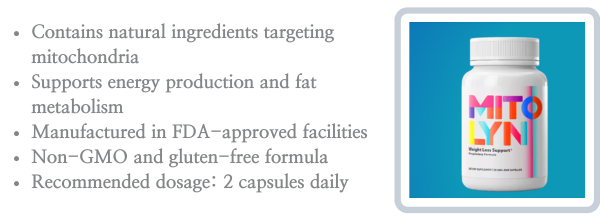
    🔥 MitoLyN
    Boosts mitochondrial fat-burning energy
    👉 Feel energized and support daily weight goals

    🔥 Java Burn (duplicate variant)
    Flavorless fat-burning powder with green tea
    👉 Slim down silently with your morning brew

  • Cycle Syncing Your Diet: Eat with Your Hormones to Beat Cravings & Boost Mood

    woman hunched on sofa holding stomach reaching for chips

    Ever get the feeling like your cravings and mood have a mind of their own, not just day to day, but week by week? You’re definitely not the only one. Turns out, those hormonal shifts during your cycle do a lot more than just mark dates on your calendar—they can totally shape your appetite, your energy, and yes, even those cravings that seem to come out of nowhere. In this article, we’re diving into what happens when you actually shift your eating habits to match your cycle. Could the right foods really ease cramps or smooth out those emotional rollercoasters? Let’s break it all down—what to eat, what to dodge, and how to start syncing your plate with your body. Have you ever found yourself suddenly desperate for chips or chocolate, almost like your taste buds are rebelling against everything healthy you ate last week? Just a couple of days ago, I was weirdly into salads, and now? Bring me all the bread and cookies. Seriously, it’s like my stomach has a calendar. Turns out, there’s a pretty good reason—hormones running the show behind the scenes. Your cycle actually does more than just show up every month; it can change what your body wants and needs. Weirdly enough, once I stopped fighting it and started paying attention, things got easier to handle.

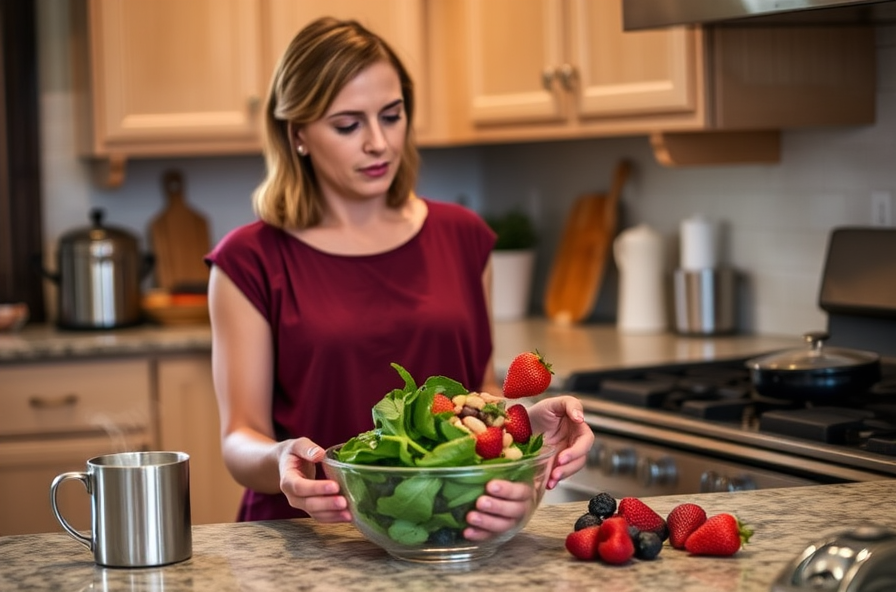
    woman at kitchen counter preparing spinach beans and berries

    Ever get the feeling like your cravings and mood have a mind of their own, not just day to day, but week by week? You’re definitely not the only one. Turns out, those hormonal shifts during your cycle do a lot more than just mark dates on your calendar—they can totally shape your appetite, your energy, and yes, even those cravings that seem to come out of nowhere. In this article, we’re diving into what happens when you actually shift your eating habits to match your cycle. Could the right foods really ease cramps or smooth out those emotional rollercoasters? Let’s break it all down—what to eat, what to dodge, and how to start syncing your plate with your body.

    Have you ever found yourself suddenly desperate for chips or chocolate, almost like your taste buds are rebelling against everything healthy you ate last week? Just a couple of days ago, I was weirdly into salads, and now? Bring me all the bread and cookies. Seriously, it’s like my stomach has a calendar. Turns out, there’s a pretty good reason—hormones running the show behind the scenes. Your cycle actually does more than just show up every month; it can change what your body wants and needs. Weirdly enough, once I stopped fighting it and started paying attention, things got easier to handle.

    The big idea here—’cycle nutrition’ or ‘cycle syncing’—really just means paying attention to where you’re at in your cycle and letting that guide what’s on your plate. Hormones, as you probably know, are anything but subtle. They rise and fall, and your body reacts in all sorts of ways—including how hungry you are and what you want to eat.

    What’s cool (and sort of reassuring) is that you don’t have to overhaul everything overnight or keep some rigid chart by your side. Most people use this as a gentle nudge: “Hey, if I eat more of X during PMS week, maybe I won’t feel quite as wiped out.” I read that the Cleveland Clinic even suggests eating nourishing meals could actually help you feel stronger, both physically and mentally, when your period hits. Honestly, I was genuinely surprised when I realized how foods could dial down things like cramps and mood swings for some.

    It’s a softer approach to nutrition—less about do’s and don’ts, and more about simply tuning in. If nothing else, it made me feel less pressured to power through and more okay with honoring whatever my body was asking for.

    The science does seem to back some of this up. Healthline points out that loading up on fresh fruits and greens might help with those pesky period symptoms—while certain foods (yep, spicy takeout and steak dinners) could make you feel even more miserable. Iron is a really big deal, too, since you lose so much of it during your period.

    What really threw me off was learning that the way your body digests food can totally change depending on the week of your cycle. A friend of mine switched up her usual meal routine—more warming soups and gentle foods when her cramps peaked—and she swears her bloating became way less intense. I have to admit, I didn’t think it would matter as much as it did.

    If you want to try this, start during your period: boost those iron foods (hello, beans and spinach), and partner them with a hit of vitamin C—like an orange or some berries—since that bumps up the body’s ability to absorb iron. You might feel less like a zombie if you build up what you’re losing each month.

    But in the end, the real “win” comes from just noticing how food makes you feel from week to week. You don’t need to follow a strict plan—just being curious and tweaking little things can really add up. I wish someone had told me that years ago.

    Truthfully, there’s no one-size-fits-all answer here. Your body—your rules. The only real must-do is to listen and respond with some kindness, instead of judgment (which, honestly, is easier said than done some days). Maybe you keep a little note on your phone about what food sounds good—or terrible—each week. Maybe you experiment and laugh at the weird combos you end up loving. The point is, it’s about making tiny shifts that feel right for you, not anyone else. Over time, you might just find things get a little bit easier.

    woman smiling writing on phone eating fruit and toast

    Truthfully, there’s no one-size-fits-all answer here. Your body—your rules. The only real must-do is to listen and respond with some kindness, instead of judgment (which, honestly, is easier said than done some days). Maybe you keep a little note on your phone about what food sounds good—or terrible—each week. Maybe you experiment and laugh at the weird combos you end up loving. The point is, it’s about making tiny shifts that feel right for you, not anyone else. Over time, you might just find things get a little bit easier.

    sources

    Today’s related searches: cycle syncing food for menstruation, iron rich foods for period, diet changes for menstrual phases, nutrition for hormonal balance monthly, anti-inflammatory foods for cycle symptoms

    [intro_box]

    🔥 BioVanish
    Enzyme-activated formula for fat burning
    👉 Simple daily drink to support postpartum slim-down

    🔥 MitoLyN
    Boosts mitochondrial fat-burning energy
    👉 Feel energized and support daily weight goals

    🔥 Java Burn
    Metabolism-boosting powder you mix with coffee
    👉 Burn fat invisibly with your morning cup

  • How to Lose Weight Without Exercise: Real Science-Backed Tips for Sustainable Results

    tired woman on couch looking at running shoes in dim light

    Here’s what’s going on: this piece takes a good, honest look at whether you can drop pounds without dragging yourself through endless workouts or gym memberships. And guess what? You totally can—this isn’t some internet myth. Turns out, some real science backs up the power of just changing what you eat (and a little about how you live). It dives into why folks pick this route, includes simple but surprisingly effective tips, and manages it all without ever making you lace up those running shoes. Let’s just be real: not everyone’s built for gym life. Turns out, plenty of people have figured out how to lose weight minus the deadlifts and treadmills. Instead, they lean into changing their meals and daily rituals. If you’ve ever wondered how much you can really do with nothing but your kitchen and a few habit shifts, you’re in the right spot—because that’s exactly what this article is diving into.

    woman in kitchen making salad with fresh vegetables in sunlight

    Let’s just be real: not everyone’s built for gym life. Turns out, plenty of people have figured out how to lose weight minus the deadlifts and treadmills. Instead, they lean into changing their meals and daily rituals. If you’ve ever wondered how much you can really do with nothing but your kitchen and a few habit shifts, you’re in the right spot—because that’s exactly what this article is diving into.

    Ever catch yourself holding up those old jeans, kind of hoping you’ll magically slip into them again? Relatable. The pressure to carve out “gym time”—on top of literally everything else—can feel downright impossible. It’s not just about motivation; sometimes it’s schedule, or you just honestly don’t like the gym vibe. Good news: it’s not the only option.

    Here’s the deal—where you look to lose weight without exercise, you’re mostly tinkering with what ends up on your plate and how you move through your day, outside any gym setting. Maybe you know someone who lost weight by just, I don’t know, rethinking breakfast or cutting back on mindless snacking. It’s one of those things you see in a “Before and After” post and think, “No way,” but, yeah, scientists have their back on this.

    Why do people go this route? So many reasons: injuries that put them on the sidelines, schedules that don’t stop for anything, or maybe they just hate running in place. According to folks at the MD Anderson Cancer Center, stacking your meals with greens, grains, beans, fruit, nuts, and all those “real food” staples can bring real results—no high-intensity workout needed. If your calendar looks like a mess or you just want less stress, zeroing in on what you eat can be both practical and oddly freeing.

    But… does any of it actually work? Short answer: yup, but it’s not just some “set it and forget it” deal. At the heart of it, you need to eat less than you burn. Simple… but not always easy, right? There’s a bunch of clever tricks out there: Medical News Today talks about loading up on protein, getting enough fiber, taking probiotics, finally prioritizing sleep, and not letting stress run wild—all of these can move the needle, sometimes more than you’d expect.

    One thing that stunned me was how big a difference little things like sleep and stress management can make. Seriously, my friend put all her energy into getting more rest and not letting small stuff bother her, and almost overnight, her cravings for late-night snacks faded. That made sticking to better choices way less of a battle.

    You’ll hear about mindful eating a lot. It sounds painfully basic, but it actually works. Phone away, TV off, and really paying attention while you chew (and maybe even putting your fork down between bites)—suddenly, you stop eating out of boredom and realize when you’ve had enough.

    For the record, no one’s slamming exercise here. Even the team at KidsHealth will say moving your body does more than just help with weight—it helps your brain, your mood, pretty much everything. Still, starting with food can kickstart the process, and sometimes, little changes in movement follow.

    If you land off-track a few times, so what? You’re not a robot. Give yourself a little grace and keep at it, because real change generally creeps in slowly—the stuff that actually sticks is rarely quick or dramatic.

    No matter what approach ends up working for you, don’t forget to be kind to yourself along the way. Those micro-changes add up when you’re not looking. Your journey isn’t supposed to look like everyone else’s—and hey, that’s totally normal.

    woman smiling at kitchen table eating healthy meal in morning

    No matter what approach ends up working for you, don’t forget to be kind to yourself along the way. Those micro-changes add up when you’re not looking. Your journey isn’t supposed to look like everyone else’s—and hey, that’s totally normal.

    sources

    • How to lose weight without exercise | MD Anderson Cancer Center

    • How to lose weight without diet or exercis – Medical News Today

    • Is It Possible to Lose Weight Without Exercising for Teens

    Today’s related searches: how to lose weight without exercise, mindful eating techniques for weight loss, weight loss meal planning without workouts, reduce calorie intake without dieting, healthy lifestyle changes for weight loss

    [intro_box]

    🔥 Java Burn
    Metabolism-boosting powder you mix with coffee
    👉 Burn fat invisibly with your morning cup

    🔥 Java Burn (duplicate variant)
    Flavorless fat-burning powder with green tea
    👉 Slim down silently with your morning brew

    🔥 MitoLyN
    Boosts mitochondrial fat-burning energy
    👉 Feel energized and support daily weight goals