We wish you all the best in your journey to success

  • Daily 10 Minute Routine Reshaped My Body Best Beginner Workout Tips and Mobility Secrets for Effective Mini Workouts

    tired professional sits at messy desk with running shoes nearby

    If you’re one of those folks who always wishes for more time in the day—especially when it comes to working out—this is for you. We’re digging into why 10-minute workouts are suddenly everyone’s favorite trick for sneaking in a little fitness, despite chaotic schedules. It’s not just about what the research says (though, don’t worry, there’s some of that too) but also about how these bite-sized routines seem to fit real lives. Think less guilt, more energy, and a little hope for anyone stuck in permanent “too busy” mode. Honestly, squeezing in exercise can feel like trying to shove another book onto an already-overloaded shelf—where is it supposed to go? That’s probably why these 10-minute workouts have started popping up everywhere. This article is all about how these quick-hits are giving busy people a fighting chance to move more, boost their energy, and actually feel a bit better, even if free time feels like a fantasy. We’ll get into what these fast routines actually look like, and whether they live up to the hype.

    person in workout clothes does squats in sunlit living room

    If you’re one of those folks who always wishes for more time in the day—especially when it comes to working out—this is for you. We’re digging into why 10-minute workouts are suddenly everyone’s favorite trick for sneaking in a little fitness, despite chaotic schedules. It’s not just about what the research says (though, don’t worry, there’s some of that too) but also about how these bite-sized routines seem to fit real lives. Think less guilt, more energy, and a little hope for anyone stuck in permanent “too busy” mode.

    Honestly, squeezing in exercise can feel like trying to shove another book onto an already-overloaded shelf—where is it supposed to go? That’s probably why these 10-minute workouts have started popping up everywhere. This article is all about how these quick-hits are giving busy people a fighting chance to move more, boost their energy, and actually feel a bit better, even if free time feels like a fantasy. We’ll get into what these fast routines actually look like, and whether they live up to the hype.

    Let’s be real, the idea of spending an hour sweating it out at the gym? Most days, it’s almost laughable. That’s where these speedy 10-minute routines swoop in—they’re like hitting a reset button when your day feels totally packed. Picture this: you just need a short list of moves (maybe 8 or 10), each one only lasts half a minute or so, with barely any downtime. I started noticing these “10 Minute Feel-Good” videos popping up on YouTube and, out of curiosity, tried a few. They keep things gentle on your body—no need to collapse on the floor afterwards—but you still walk away feeling a lot less sluggish.

    I was genuinely shocked by how flexible these are. You don’t need fancy gear or a gym membership; you can do them on your living room carpet, on a weekend getaway, in the backyard—wherever. Some people actually make these micro-workouts their whole fitness routine, sliding them between work calls or during a lunch break. Others just use them to stay loose when life gets in the way of proper gym time. Either way, there’s something satisfying about finding a tiny pocket of your day for movement, especially when it feels like you’re always running around.

    Here’s something I didn’t expect: those little blocks of time somehow add up. Most of us shell out way more than 10 minutes to doomscrolling anyway. Suddenly, exercise becomes less of a monumental task, and more of an “I got this” moment before you move on with your day. For a lot of folks I know, it’s the easiest way they’ve found to actually keep up a routine. And honestly, just showing up—even for microbursts—is half the fight.

    The million-dollar question, though: Does any of this actually work? And I was a skeptic at first, but the answer is a solid yes… as long as you’re willing to stick with it. According to the New York Times, running through basic moves like squats, lunges, and a few stretches for just 10 minutes can really loosen up tight joints and seriously cut down on that “too stiff to move” feeling. It’s not magic—usually you’re banging out 10 or 20 reps at a time—but over the weeks, it sneaks results into your life.

    But here’s the catch: this isn’t about bulking up or suddenly turning into a marathon runner. It’s more about keeping your body in working order, lifting your mood, and proving to yourself that you don’t have to dread exercise. You can shake things up too; go for flexibility and joint health one day, something to wake you up the next. There’s no rulebook, really—which is part of what makes these so oddly freeing.

    Don’t get me wrong, if you’re hoping for big gains or setting out to train for a race, you’ll want to sprinkle in longer sessions and push a little harder. But these quickies? They’re the maintenance plan, the foundation that keeps you from backsliding when life gets wild.

    What truly changes everything, though, is routine. A set time—after coffee, before the shower, whatever anchors your morning or evening—makes it almost a reflex. Ten minutes here and there sounds forgettable, but line them up day after day, and they quietly start to matter. For most of us, that’s the permission slip we’ve been needing to move more, even when we’re running on fumes.

    relaxed person stretches and smiles after indoor workout

    What I love most about these quick workouts? They cut through the paralysis. Suddenly moving your body isn’t this overwhelming project you dread—it’s just a small, doable part of the day. When exercise stops being intimidating, you might actually stick with it for the long haul.

    Sources

    Today’s related searches: how to structure a 10 minute workout, best 10 minute workout for beginners, 10 minute mobility routine at home, how to combine mini workouts throughout day, tips for effective short workouts

    [intro_box]
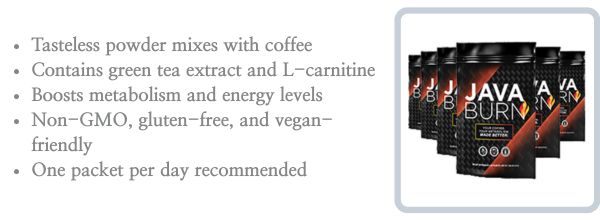
    🔥 Java Burn (duplicate variant)
    Flavorless fat-burning powder with green tea
    👉 Slim down silently with your morning brew

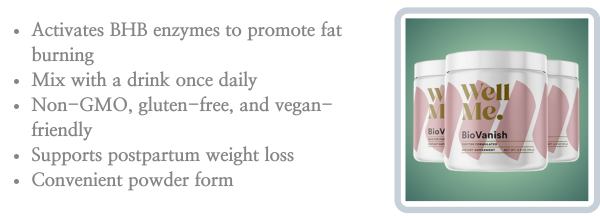
    🔥 BioVanish
    Enzyme-activated formula for fat burning
    👉 Simple daily drink to support postpartum slim-down

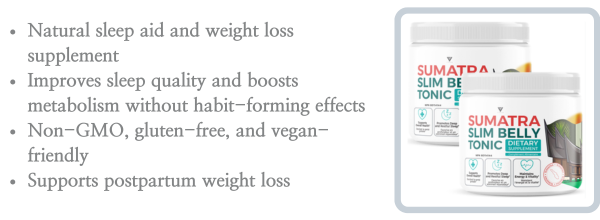
    🔥 Sumatra Slim Belly Tonic
    Supports sleep and metabolism without stimulants
    👉 Slim while you sleep, naturally

  • 4 Week Home Workout Routine for Beginners Discover Progressive Overload Fat Loss and Strength Training Secrets

    nervous young woman stands inside a bright busy gym

    If walking into a gym has ever made you feel like you’re suddenly 12 years old at your first school dance—nervous, unsure, kinda hoping someone tells you exactly what to do—then you’re not alone. So let’s talk about those four-week workout plans made for people just starting out—no pressure, zero intimidation. You know the ones. We’re digging into what these plans offer, why they seem to work so well for folks who are new to exercise, and a handful of down-to-earth ways to actually stick with them. If you’re hoping to build a little muscle or lose a couple pounds without getting lost along the way, you’re in the right place.

    beginner follows workout plan on mat in fitness center

    If walking into a gym has ever made you feel like you’re suddenly 12 years old at your first school dance—nervous, unsure, kinda hoping someone tells you exactly what to do—then you’re not alone, and this is for you. I’m breaking down what goes into those 4-week beginner workout plans you’ve probably seen floating around. We’ll talk about why folks actually use them, share a couple stories you might relate to, and I promise, this isn’t some hype train or guilt trip. Just some honest encouragement for anyone trying to make it through that wobbly first month of working out without totally burning out.

    So let’s talk about those four-week workout plans made for people just starting out—no pressure, zero intimidation. You know the ones. We’re digging into what these plans offer, why they seem to work so well for folks who are new to exercise, and a handful of down-to-earth ways to actually stick with them. If you’re hoping to build a little muscle or lose a couple pounds without getting lost along the way, you’re in the right place.

    A four-week beginner workout plan usually comes as just that—a map to guide you from zero to, well, not zero. You get a game plan that (mercifully) doesn’t assume you know your way around the squat rack yet. Most of these routines will scatter together some basic strength moves, a little cardio, maybe toss in some stretching if they’re feeling generous. And usually, you’re only penciling in three or four sweat sessions a week. Not so scary, right?

    What’s funny—at least for me—is remembering how absolutely lost I felt at my first gym visit. Now, I get why these plans are everywhere. Having something laid out for you, with actual instructions you don’t have to decode, is less overwhelming than wandering around fiddling with mysterious gym equipment. Starting off easy (sometimes so easy it almost feels silly) is on purpose. The last thing you need is to get flattened by day two and never come back. Instead, you build up a bit at a time.

    People go for these plans, honestly, because nobody likes feeling completely clueless. Muscle and Fitness pointed out that beginner programs give you that lifeline of structure—small, doable goals, ’win’ moments measured in pushups or how many times you show up. And it feels pretty good to see a little progress pop up, especially if you haven’t had much luck sticking to stuff in the past. That’s usually what keeps you coming back after that… memorable first week.

    So, does a four-week program actually make a difference? Yeah—it totally can, though don’t expect some Insta-worthy transformation. I mean, if you start from a place where walking up stairs leaves you winded (been there), even just three realistic sessions a week, like those recommended by Anytime Fitness, is a big step forward. They usually bundle together some quick weight training circuits, a handful of cardio, and even just honest walking. Even the busiest folks can usually spare that much.

    What surprised me digging into this is how gentle most of these programs are on beginners. They’re built for real lives, not superheroes. Nobody’s pushing you to go full beast mode the first week. The emphasis, over and over, lands on showing up, keeping it regular, and learning to trust the slow march of progress. I had a friend (the queen of skipping gym memberships) who finally cracked the code by treating her three workouts like must-attend meetings. She marked them in her calendar, didn’t bail, and after a month? She didn’t just look stronger—she actually felt awake again. No all-or-nothing effort, just daily consistency.

    But here’s the not-so-secret catch: after four weeks, you’re still just getting started. This month is more about learning to show up than building jaw-dropping muscles. That sense of awkwardness? It fades. The momentum you get from tiny wins somehow resets your whole relationship with exercise. If you’re worried about looking silly, or fumbling through the first stretches, seriously—everybody was new once. The most important thing is to keep moving (even when your blanket sounds way better). You’ll surprise yourself with what changes in just a few weeks.

    The one thing you really need to remember? Four weeks is just planting the seed. These starter programs aren’t about flipping your world upside down—they’re about carving out a habit and helping you realize, hey, you actually can do this.

    If you’re thinking about jumping in, please don’t get discouraged by the awkward phase. That’s just part of it. Everyone feels a little clunky at first, like you’re learning a new language with your body. All you need to do is get your feet in the door, regularly, even on those sluggish, aggravating days. Give it a little space and patience. Suddenly, moves that tripped you up on week one start coming naturally. Honestly, that’s more rewarding than any number on the scale.

    confident woman smiles and stretches before her workout

    The one thing you really need to remember? Four weeks is just planting the seed. These starter programs aren’t about flipping your world upside down—they’re about carving out a habit and helping you realize, hey, you actually can do this.

    If you’re thinking about jumping in, please don’t get discouraged by the awkward phase. That’s just part of it. Everyone feels a little clunky at first, like you’re learning a new language with your body. All you need to do is get your feet in the door, regularly, even on those sluggish, aggravating days. Give it a little space and patience. Suddenly, moves that tripped you up on week one start coming naturally. Honestly, that’s more rewarding than any number on the scale.

    sources

    • 4-Week Beginner Workout Plan For Strength & Fat Loss — see what to expect week by week

    • A Realistic 4-Week Weight-Loss Workout Plan for Beginners — not as scary as it sounds

    • Tone in 30 – A Completely FREE, 4-week YouTube Fitness Program — if you love following videos

    Today’s related searches: beginner workout plan for fat loss, how to start strength training at home, 4 week gym routine for beginners, progressive overload for beginners, scheduling workouts for consistency

    [intro_box]

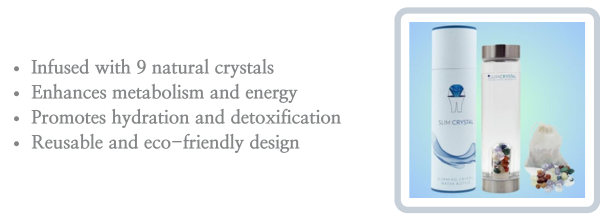
    🔥 Slim Crystal
    Crystal-infused water bottle for weight wellness
    👉 Drink smart and detox with every sip

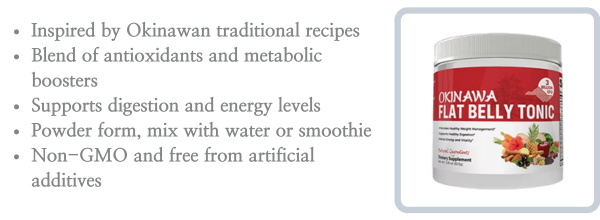
    🔥 Okinawa Flat Belly Tonic
    Inspired by ancient Okinawan metabolism herbs
    👉 Natural way to burn belly fat and boost digestion

    🔥 Java Burn (duplicate variant)
    Flavorless fat-burning powder with green tea
    👉 Slim down silently with your morning brew

  • How to Reduce Belly Fat Without Liposuction Coolsculpting for Stomach Fat and Lifestyle Tips to Reduce Visceral Fat Naturally

    woman stands at bathroom mirror gripping her stomach

    If belly fat is your nemesis and nothing—not salads, not crunch marathons—seems to flatten it, you’re hardly alone. This piece gives a straight-up, honest look at what today’s non-surgical methods can actually do for that stubborn midsection. We’re talking everything from high-tech fat freezing to commonsense habit tweaks. The article busts some myths, highlights what is (and isn’t) realistic, and—maybe most importantly—reminds you that no snazzy gadget or laser can substitute for genuine, long-term lifestyle choices. Let’s be real for a minute: Who hasn’t tried to squish or disguise that little blip on your belly that just won’t go away? Exercise plans, low-carb diets, shapewear—if there was an easy fix, none of us would be Googling this at midnight. If you’ve ever stared in the mirror, baffled by why your abs remain undercover, you’re in good company. Thankfully, science and beauty tech have stepped up lately, and it’s not all as intense as you might think.

    technician applies coolsculpting to client in clinic setting

    If belly fat is your nemesis and nothing—not salads, not crunch marathons—seems to flatten it, you’re hardly alone. This piece gives a straight-up, honest look at what today’s non-surgical methods can actually do for that stubborn midsection. We’re talking everything from high-tech fat freezing to commonsense habit tweaks. The article busts some myths, highlights what is (and isn’t) realistic, and—maybe most importantly—reminds you that no snazzy gadget or laser can substitute for genuine, long-term lifestyle choices.

    Let’s be real for a minute: Who hasn’t tried to squish or disguise that little blip on your belly that just won’t go away? Exercise plans, low-carb diets, shapewear—if there was an easy fix, none of us would be Googling this at midnight. If you’ve ever stared in the mirror, baffled by why your abs remain undercover, you’re in good company. Thankfully, science and beauty tech have stepped up lately, and it’s not all as intense as you might think.

    The world of non-surgical fat loss is a bit of a wild ride, honestly. It includes treatments that claim to slim down those stubborn spots without the hassle or anxiety of surgery. There’s no need for the usual post-op panic—you’re mostly in and out, no need to clear your calendar for recovery. Maybe you’ve heard the buzz about CoolSculpting, which, as weird as it sounds, literally freezes your fat into oblivion. Or lasers—yeah, beams of light that are supposed to zap love handles. These are grabbing attention partly because they’re less scary than surgery, but also because people are burnt out on the eat-perfect-and-sweat-every-day hamster wheel.

    Here’s the thing: people turn to these because they seem to meet us halfway. They target those body parts that seem genetically wired to hang on tight to fat, no matter how “good” we are. CareCredit’s info spells it out—these treatments are for the folks who just can’t budge those last bulges. And the appeal is obvious: you skip the scary risks of going under, you’re hopping back into your normal life right after, and, best of all, there’s no drama in the recovery room.

    So, do these approaches live up to the hype? It’s one of those, “well, it depends” situations. A lot hinges on your own body type and what you want out of it. And here’s something I didn’t expect: they really shine for people who are already pretty close to where they want to be—just ironing out the last little bit.

    The actual numbers are kind of impressive. CoolSculpting, according to Vujevich Dermatology, can shrink a trouble spot by around 25% in a session, sometimes more if you’re lucky. You don’t need to get knocked out, and it’s mostly just a little bit uncomfortable. The change happens slowly, so you’re not waking up to a brand new you overnight—just a subtler, gradual improvement. I wasn’t expecting how understated it would look.

    But—huge but—this isn’t some kind of miracle fix. Maybe you’ve heard of someone who tried the laser option and felt amazing, but if they slipped back into old habits, the fat crept back. It turns out, these treatments only stick if you also keep up basic, honestly boring stuff: eating a bit better, getting out for a walk, not letting stress take over. Sometimes it’s not about that flashy outer fat at all—it’s the stuff inside (the scary visceral fat) that matters most.

    You just have to remember: what’s right for your friend may do nothing for you. Bodies are fussy and unpredictable. Most folks find that small, patient progress wins the race. There’s something satisfying—and not a little freeing—about allowing yourself to go slow, accept those little victories, and not expect a before-and-after miracle.

    It’s a huge decision, honestly, figuring out what path you want to take. Traditional weight loss, one of those high-tech “no scalpel” options, or even something more drastic—it’s deeply personal and it isn’t always clear-cut. If there’s any real wisdom here, maybe it’s that showing up for yourself with small changes, over and over again, matters more than any single treatment ever could. And at the end of the day, that steady commitment does more for your health—and your happiness—than you might realize.

    woman walks briskly in sunny park with a water bottle

    It’s a huge decision, honestly, figuring out what path you want to take. Traditional weight loss, one of those high-tech “no scalpel” options, or even something more drastic—it’s deeply personal and it isn’t always clear-cut. If there’s any real wisdom here, maybe it’s that showing up for yourself with small changes, over and over again, matters more than any single treatment ever could. And at the end of the day, that steady commitment does more for your health—and your happiness—than you might realize.

    sources

    Today’s related searches: coolsculpting for stomach fat, best non surgical belly fat reduction, reduce visceral fat naturally, laser fat removal abdomen, lifestyle tips after coolsculpting

    [intro_box]

    🔥 Slim Crystal
    Crystal-infused water bottle for weight wellness
    👉 Drink smart and detox with every sip

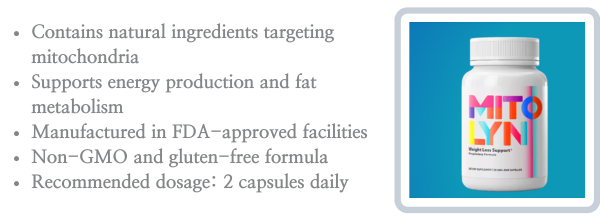
    🔥 MitoLyN
    Boosts mitochondrial fat-burning energy
    👉 Feel energized and support daily weight goals

    🔥 Java Burn
    Metabolism-boosting powder you mix with coffee
    👉 Burn fat invisibly with your morning cup

  • The Psychology Behind Dieting Mindfulness to Reduce Reward Driven Eating and Stop Stress Cravings with Actionable Alternatives

    tired woman sits at kitchen table with empty snack wrappers

    Something new has come to light in the past few years: science is now fully on board with the idea that our brains play a starring role in why we eat, even when we’re not all that hungry. Turns out, the reward system in our heads may be quietly steering the ship, especially when it comes to weight and eating patterns. People studying mindfulness have actually found some promising links—things like stress reduction and fewer reward-based eating episodes. It’s kind of wild to think simply paying more attention to how you eat (and why) could matter more than counting calories. Ever catch yourself reaching for that second helping at dinner just because it tastes ridiculously good, even if your stomach is begging you to stop? Yeah, same here. Sometimes I find myself aimlessly picking through a bag of snacks just because work or life is getting a little overwhelming—I don’t even realize what I’m doing until it’s almost gone. Funny how powerful those cravings can be, right? It’s not just us, either. Most people aren’t clued into just how much our brains—rather than our empty stomachs—are calling the shots when it comes to cravings and so-called emotional eating. So what’s actually happening when we reach for food to feel better? That’s reward-driven eating in action; it’s less about satisfying hunger and more about chasing a little hit of comfort or happiness. Think of it as your brain’s way of seeking relief or excitement, and honestly? Foods loaded with sugar, salt, or fat are especially hard to turn down because they make us feel so good—chemically, not just emotionally. Some scientists even compare that feeling to the way our brains respond to, well, some pretty addictive things. What’s interesting lately is how many people are turning to mindfulness to sort this out. Instead of obsessing over labels or calorie counts, they’re trying meditation or just taking a moment to actually pause and notice what they’re feeling (props to NCBI for digging into this, by the way). The thing people love about mindfulness techniques is that they hit at the real roots: our emotional triggers, not just what’s on our plate. Diets come and go. This stuff feels different—kind of more honest. One thing really stands out: figuring out this whole reward-driven eating business could be a game-changer for a lot of people struggling with their weight. But let’s be real—it’s not always easy, and it definitely doesn’t work the same way for everyone. Some people seem almost hypersensitive to foods that light up those reward pathways, and telling them to just “have more willpower” feels, well, a little cruel. What surprised me most, though, was reading a study from Frontiers in Psychology that pointed out something important: folks who succeed at dieting often aren’t the ones beating themselves up—they’re the ones who start to notice what actually triggers a craving and roll with it. An old friend used to joke about how her secret wasn’t going cold turkey; she just got honest about what was pulling her toward the fridge in the first place. Paying attention—really tuning in—ended up changing way more than any strict food rules ever did for her. Maybe, for most of us, that gentle curiosity is the missing piece.

    person pauses with closed eyes before a bowl of treats

    Something new has come to light in the past few years: science is now fully on board with the idea that our brains play a starring role in why we eat, even when we’re not all that hungry. Turns out, the reward system in our heads may be quietly steering the ship, especially when it comes to weight and eating patterns. People studying mindfulness have actually found some promising links—things like stress reduction and fewer reward-based eating episodes. It’s kind of wild to think simply paying more attention to how you eat (and why) could matter more than counting calories.

    Ever catch yourself reaching for that second helping at dinner just because it tastes ridiculously good, even if your stomach is begging you to stop? Yeah, same here. Sometimes I find myself aimlessly picking through a bag of snacks just because work or life is getting a little overwhelming—I don’t even realize what I’m doing until it’s almost gone. Funny how powerful those cravings can be, right? It’s not just us, either. Most people aren’t clued into just how much our brains—rather than our empty stomachs—are calling the shots when it comes to cravings and so-called emotional eating.

    So what’s actually happening when we reach for food to feel better? That’s reward-driven eating in action; it’s less about satisfying hunger and more about chasing a little hit of comfort or happiness. Think of it as your brain’s way of seeking relief or excitement, and honestly? Foods loaded with sugar, salt, or fat are especially hard to turn down because they make us feel so good—chemically, not just emotionally. Some scientists even compare that feeling to the way our brains respond to, well, some pretty addictive things.
    What’s interesting lately is how many people are turning to mindfulness to sort this out. Instead of obsessing over labels or calorie counts, they’re trying meditation or just taking a moment to actually pause and notice what they’re feeling (props to NCBI for digging into this, by the way). The thing people love about mindfulness techniques is that they hit at the real roots: our emotional triggers, not just what’s on our plate. Diets come and go. This stuff feels different—kind of more honest.

    One thing really stands out: figuring out this whole reward-driven eating business could be a game-changer for a lot of people struggling with their weight. But let’s be real—it’s not always easy, and it definitely doesn’t work the same way for everyone. Some people seem almost hypersensitive to foods that light up those reward pathways, and telling them to just “have more willpower” feels, well, a little cruel. What surprised me most, though, was reading a study from Frontiers in Psychology that pointed out something important: folks who succeed at dieting often aren’t the ones beating themselves up—they’re the ones who start to notice what actually triggers a craving and roll with it. An old friend used to joke about how her secret wasn’t going cold turkey; she just got honest about what was pulling her toward the fridge in the first place. Paying attention—really tuning in—ended up changing way more than any strict food rules ever did for her. Maybe, for most of us, that gentle curiosity is the missing piece.

    smiling person sips tea and calmly declines cookies at table

    One thing really stands out: figuring out this whole reward-driven eating business could be a game-changer for a lot of people struggling with their weight. But let’s be real—it’s not always easy, and it definitely doesn’t work the same way for everyone. Some people seem almost hypersensitive to foods that light up those reward pathways, and telling them to just “have more willpower” feels, well, a little cruel. What surprised me most, though, was reading a study from Frontiers in Psychology that pointed out something important: folks who succeed at dieting often aren’t the ones beating themselves up—they’re the ones who start to notice what actually triggers a craving and roll with it. An old friend used to joke about how her secret wasn’t going cold turkey; she just got honest about what was pulling her toward the fridge in the first place. Paying attention—really tuning in—ended up changing way more than any strict food rules ever did for her. Maybe, for most of us, that gentle curiosity is the missing piece.

    Sources

    • How mindfulness training helps break free from eating for comfort—not just hunger

    • What exactly is the “food reward” system anyway?

    • Why some people breeze through dieting—and others seem to struggle endlessly

    Today’s related searches: mindfulness techniques for emotional eating, how to reduce reward-driven eating, practical strategies to stop stress eating, mindfulness for food cravings management, actionable alternatives to food rewards

    [intro_box]

    🔥 Sumatra Slim Belly Tonic
    Supports sleep and metabolism without stimulants
    👉 Slim while you sleep, naturally

    🔥 Slim Crystal
    Crystal-infused water bottle for weight wellness
    👉 Drink smart and detox with every sip

    🔥 Java Burn
    Metabolism-boosting powder you mix with coffee
    👉 Burn fat invisibly with your morning cup

  • 30 Day Water Drinking Challenge Results Plus Best Water Intake Tips Best Time to Drink More Hydration Hacks for Glowing Skin

    tired woman rubbing her temples at a home office desk

    It feels like everywhere you look, someone’s pushing the “drink more water” mantra. Supposedly, it’s the easiest way to fix everything from breakouts to brain fog. I’ll be honest, I was a little skeptical. But so many folks swear by it—and love to share before-and-after pics—that I started to wonder what might actually happen if you *really* made hydration a daily goal for a month. So, I set out to figure out what changes, for real, if you give your water bottle the spotlight for 30 straight days. Ever catch yourself halfway through the afternoon and realize your water glass hasn’t moved since you poured your coffee that morning? For me, that was just… normal. I’d get sluggish, maybe a headache creeping in, and my lips would basically shrivel up like old prunes. Not exactly a good look. And every time, someone would pipe up with, “You probably just need more water!” That idea just seemed sort of bland and easy to ignore—until, honestly, it started to feel like maybe all those people were onto something. That’s how I found myself reading up on the famous 30-day water challenges flooding my feed. If you haven’t seen them, the concept is painfully simple: set a daily water goal, stick to it for a calendar month, and see what happens. Some people map out the classic aim of eight glasses (good luck keeping track), while others go all in with those oversized gallon jugs—I’m talking comically large, the kind that barely fits in a regular bag. There’s a surprising subculture here: some use phone apps that bug you with reminders, others swear by “motivational” bottles with markers for every few ounces. (I only wish I was this organized about *anything* else in my life.) But if you ask around, most people don’t start these challenges just to “do the healthy thing.” They really want to see something—more energy, softer skin, maybe even a little weight loss, or just to stop feeling like a dried-out cactus. There’s a certain optimism about it all, but the stuff people report is honestly kind of surprising. I heard about headaches disappearing, that post-lunch energy slump fading, and—unexpected, for sure—some said they could think more clearly by week three. No complicated powders, nothing too pricey, just water. Was it too good to be true? Not really, if you listen to people’s real stories and not the marketing fluff. My friends who tried it said it wasn’t like flipping on a light switch; improvements crept in slowly. Workouts felt a bit less brutal, skin got this subtle glow, and best of all, the habit stuck easier than I expected. After the first week, you stop feeling silly about how often you’re running to the bathroom or checking your silly app. (One person said her real challenge wasn’t the water but remembering to keep the bottle full!) One personal tip that actually made a difference for me: leave a glass of water beside your bed, so you can drink it first thing. It’s oddly satisfying, and suddenly, hitting your daily target doesn’t feel so daunting. By the end of the month, it’s less about winning some invisible contest, more about feeling like you finally did something nice for your body—every single day. Even if you don’t bat a thousand, just making that extra effort is enough to feel a real shift. So, honestly, if you’re thinking about doubling down on water for a month, my advice? Just give it a shot. You don’t need to go wild tracking every ounce or haul around a jug that could water a houseplant for a week. A little bit of commitment, a few simple tricks (seriously, that “glass in the morning” tip is a game-changer), and you might be surprised by how you feel. None of it is overnight magic, but if you stick with it, your body quietly starts to thank you in ways you’ll notice. Small steps, big payoff—just the way I like it.

    young adult refilling a large water jug at the kitchen sink

    Alright, here’s the lowdown: I went on a deep dive into those month-long “drink more water” challenges you see all over Instagram and TikTok. If you’ve ever thought about carrying a ridiculous jug around or wondered what could actually happen if you really went for it—skin, mood, headaches, that kind of stuff—this breaks it all down from a real-life angle. I talk about what people hope to see, what actually improves, and a few things that nobody really tells you about. If you’ve debated whether the hype is real, you’ll probably see bits of yourself here.

    It feels like everywhere you look, someone’s pushing the “drink more water” mantra. Supposedly, it’s the easiest way to fix everything from breakouts to brain fog. I’ll be honest, I was a little skeptical. But so many folks swear by it—and love to share before-and-after pics—that I started to wonder what might actually happen if you *really* made hydration a daily goal for a month. So, I set out to figure out what changes, for real, if you give your water bottle the spotlight for 30 straight days.

    Ever catch yourself halfway through the afternoon and realize your water glass hasn’t moved since you poured your coffee that morning? For me, that was just… normal. I’d get sluggish, maybe a headache creeping in, and my lips would basically shrivel up like old prunes. Not exactly a good look. And every time, someone would pipe up with, “You probably just need more water!” That idea just seemed sort of bland and easy to ignore—until, honestly, it started to feel like maybe all those people were onto something.

    That’s how I found myself reading up on the famous 30-day water challenges flooding my feed. If you haven’t seen them, the concept is painfully simple: set a daily water goal, stick to it for a calendar month, and see what happens. Some people map out the classic aim of eight glasses (good luck keeping track), while others go all in with those oversized gallon jugs—I’m talking comically large, the kind that barely fits in a regular bag. There’s a surprising subculture here: some use phone apps that bug you with reminders, others swear by “motivational” bottles with markers for every few ounces. (I only wish I was this organized about *anything* else in my life.)

    But if you ask around, most people don’t start these challenges just to “do the healthy thing.” They really want to see something—more energy, softer skin, maybe even a little weight loss, or just to stop feeling like a dried-out cactus. There’s a certain optimism about it all, but the stuff people report is honestly kind of surprising. I heard about headaches disappearing, that post-lunch energy slump fading, and—unexpected, for sure—some said they could think more clearly by week three. No complicated powders, nothing too pricey, just water.

    smiling person with glowing skin holding a water bottle

    This Is What Happened When I Upped My Water Intake for 30 Days

    Drinking Almost a Gallon of Water a Day for One Month – My Honest Results

    We Attempted the 30-Day Water Challenge — Here’s How It Went (YouTube)

    Today’s related searches: how to start 30 day water challenge, best time to drink more water, increase daily water intake tips, drinking water for better skin results, hydration reminders for busy schedules

    [intro_box]

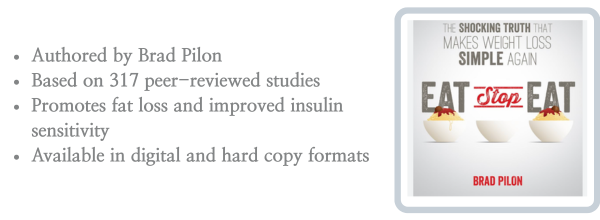
    🔥 Eat Stop Eat (book)
    Intermittent fasting strategy backed by science
    👉 Discover how fasting boosts fat loss safely

    🔥 Java Burn (duplicate variant)
    Flavorless fat-burning powder with green tea
    👉 Slim down silently with your morning brew

    🔥 Okinawa Flat Belly Tonic
    Inspired by ancient Okinawan metabolism herbs
    👉 Natural way to burn belly fat and boost digestion

  • Best Yoga Poses to Reduce Belly Fat With Chair Pose Core Tips Beginner Yoga for Flat Stomach and Weight Loss Breathing

    woman in bedroom looking at her reflection in a mirror

    Let’s cut right to it: this article gets into that age-old wonder—can rolling out a yoga mat actually slim down your midsection, or are we just fooling ourselves? Somehow, yoga has become that go-to “maybe this will help” option for anyone eyeing their middle and wishing it would budge. Is it actually possible to breathe, stretch, and twist your way to a flatter stomach? Here’s where we peel back the layers on whether yoga is a real player in the belly-fat game, dig into which poses might move the needle, and talk about the unexpected perks that come along for the ride—weight or no weight.

    people of all sizes practicing yoga together in a living room

    Let’s cut right to it: this article gets into that age-old wonder—can rolling out a yoga mat actually slim down your midsection, or are we just fooling ourselves? No wild before-and-after promises here. It’s more about digging into how yoga really works, why some people swear their pants fit better after a few weeks, and what kind of realistic changes you might see (spoiler: you probably won’t wake up with washboard abs, but something’s happening). The big twist? There’s a ton of emphasis on how yoga can help you feel better about your body, not just shrink your waist. If instant results are what you’re chasing, you’ll want to brace for a reality check. But if torture-chamber workouts aren’t your jam and you’re after a gentler nudge in the right direction, there are some genuine takeaways here.

    Somehow, yoga has become that go-to “maybe this will help” option for anyone eyeing their middle and wishing it would budge. Is it actually possible to breathe, stretch, and twist your way to a flatter stomach? Here’s where we peel back the layers on whether yoga is a real player in the belly-fat game, dig into which poses might move the needle, and talk about the unexpected perks that come along for the ride—weight or no weight.

    Who hasn’t stood in front of the mirror, tugging at their shirt and silently negotiating with that pocket of belly that seems immune to literally everything else? Oh, trust me, I know it well. Just last Thursday, I caught myself at it, and—honestly—felt kind of stuck. Then out of nowhere, my friend pipes up about her new “yoga belly.” I was instantly skeptical. Yoga? That slow-moving, zone-out activity? Turns out, she wasn’t talking about standing on her head. She meant a handful of routines that pretty much anyone can manage, not just those super-flexy Instagram folks.

    Most yoga for belly fat isn’t about flipping yourself upside-down. Think basic movements—stuff you do lying on the floor or holding a pose for a minute, tops. The magic, apparently, is in focusing on the core and dialing down stress. Kind of wild how often stress drags you into the belly-fat trap, right? Nobody warns you about that in gym class.

    People rave about yoga because it’s gentle. You aren’t racing the clock or dragging yourself through burpees; you’re just… moving, sometimes quietly, sometimes with that weird hissy breathing. It sneaks up on you—makes you notice your mood, your habits, and all that tension you’re carrying. Silver Sneakers says yoga might even mess with your hormones in a good way, nudging your body to stop shoving fat into your belly. Not exactly what I expected from stretches and deep breaths, but I’ll take it.

    Here’s where things get interesting: Does the science back up the buzz? Sort of, but not in a movie-montage “suddenly my jeans fit” way. Yoga isn’t going to vaporize calories like an all-out cardio session. What it does is sneakily shift things. You tune into hunger cues, you pause before stress-eating, and—maybe best of all—you don’t wind up a sweaty, miserable mess dreading the next workout.

    Yoga boosts your core, sure, but it’s also disarming the stress gremlin (cortisol, anyone?) that tends to send fat straight to your stomach. Plus, better digestion comes with the territory—it’s not glamorous, but it matters. Word of warning, though: you can’t pick and choose where your body burns fat. Yoga—or anything else—won’t only trim your belly. How it works depends on how often you stick with it, how you eat, how you sleep—the whole messy picture.

    Want a real-life example? My coworker decided on a whim to spend four weeks with ten minutes of core-focused yoga every day. Her number on the scale barely moved. But her posture totally changed—she looked taller, slimmer, more “her.” The wildest part? She found herself making healthy swaps without even thinking about it—yoga had her listening to her body, not some rigid plan.

    Even basic poses (think: chair pose or twisting stretches) do way more than you’d expect when you let yourself breathe and actually slow down. One of my friends flat-out admitted, “It only started to work for me when I stopped treating yoga like another punishment.”

    Turns out, that’s the unsung truth—yoga doesn’t bully your body into changing; it helps you finally work with it. You might not get a flat belly in seven days, but for once you might enjoy the process. And honestly, that’s not nothing.

    woman stretching on her yoga mat in bright morning light

    If you’re banking on yoga melting your belly fat by next week, you might want to reel it in a bit. But if building confidence, feeling better, and making steady progress without self-hatred sounds good, yoga might finally be your secret weapon—and that’s pretty lovely, if you ask me.

    Sources

    Today’s related searches: best yoga poses for belly fat, how to do chair pose for core, beginner yoga sequence for flat stomach, yoga breathing techniques for weight loss, daily yoga routine for digestion

    [intro_box]

    🔥 Okinawa Flat Belly Tonic
    Inspired by ancient Okinawan metabolism herbs
    👉 Natural way to burn belly fat and boost digestion

    🔥 Java Burn (duplicate variant)
    Flavorless fat-burning powder with green tea
    👉 Slim down silently with your morning brew

    🔥 Slim Crystal
    Crystal-infused water bottle for weight wellness
    👉 Drink smart and detox with every sip

  • How to Compare Your Body Before and After a Diet with the Best Progress Pictures Tips for Tracking Changes Without Scales

    young person in baggy clothes taking a mirror selfie

    Here’s the lowdown: this article digs into the whole phenomenon of before and after weight loss photos—why so many of us are hooked, the upside and downside, and a bunch of worth-knowing stuff hidden beneath the surface. Picture this: you’re mindlessly scrolling, and suddenly, there it is—a friend’s transformation photo. One side: insecure smile, old sweats; the other: flexed and glowing. It kind of stops you, doesn’t it? Maybe for a second you wonder what your own “before” would look like. Should you snap one? Would it help? I’ve definitely gotten wrapped up in that cycle, squinting at mirror selfies and debating if I should record where I am, just in case some impressive “after” is waiting. But honestly, these photos are loaded with meaning—some of it helpful, some not so much. Knowing what’s really going on with these snapshots might just change how you see your own journey.

    person in same outfit stands taller in brighter bedroom light

    Here’s the lowdown: this article digs into the whole phenomenon of before and after weight loss photos—why so many of us are hooked, the upside and downside, and a bunch of worth-knowing stuff hidden beneath the surface. Ever find yourself fixating on someone’s jaw-dropping progress pics or debating snapping your own for a little motivation (or maybe even a reality check)? This piece peels back all those complicated feelings. Spoiler alert: there’s a lot more going on than what the scale—or a selfie—can show.

    Picture this: you’re mindlessly scrolling, and suddenly, there it is—a friend’s transformation photo. One side: insecure smile, old sweats; the other: flexed and glowing. It kind of stops you, doesn’t it? Maybe for a second you wonder what your own “before” would look like. Should you snap one? Would it help? I’ve definitely gotten wrapped up in that cycle, squinting at mirror selfies and debating if I should record where I am, just in case some impressive “after” is waiting. But honestly, these photos are loaded with meaning—some of it helpful, some not so much. Knowing what’s really going on with these snapshots might just change how you see your own journey.

    So, the concept is super simple: you stand in front of your camera right at the start, capture your body as it is, then do it again once you’ve put in some work. The “rules?” Keep your clothes the same, choose boring lighting, don’t try to pose like a model—you want a side-by-side that makes changes hard to miss. If you follow fitness accounts even a little, you’ve watched people hype this up as some kind of magic trick for building confidence or tracking victories that the scale refuses to acknowledge.

    And you know what? We’re all visual creatures. After weeks of spinach salads and early-morning runs, if your weight won’t budge, seeing your reflection morph little by little is sometimes the only thing that actually feels like progress. Have you ever noticed your jeans stop digging in, or that one spot above your knee started looking…different? These moments, however tiny, truly feel like tiny miracles. No wonder people plaster these pics on Instagram and in group chats—either to celebrate with friends or, honestly, to keep themselves honest the next time takeout beckons.

    person smiling and stretching arms while walking outdoors

    Here’s what I keep coming back to: your body isn’t defined by two little timestamps—a beginning and an end. It’s this wild, ever-changing vessel that’s seen all your comebacks and detours. There’s this line I love (thanks, Beauty Redefined): you’re not just here to be looked at, you’re here to live. So whether you’re into progress photos or you’d rather skip the whole thing, try tuning in to what your body lets you do, how you move through the world, and those surprising moments of joy or strength. That’s the gold—way more lasting than any filter-perfect “after.”

    sources

    Today’s related searches: how to take progress pictures for weight loss, tips for documenting fitness journey photos, tracking body changes without scales, best lighting for before and after photos, how to stay motivated using transformation pictures

    [intro_box]

    🔥 BioVanish
    Enzyme-activated formula for fat burning
    👉 Simple daily drink to support postpartum slim-down

    🔥 Java Burn
    Metabolism-boosting powder you mix with coffee
    👉 Burn fat invisibly with your morning cup

    🔥 MitoLyN
    Boosts mitochondrial fat-burning energy
    👉 Feel energized and support daily weight goals

  • How to Survive Drinking Events While Dieting With Calorie Saving Tips Healthy Drink Choices and Party Meal Ideas

    young adult looking at untouched salad while friends eat

    Finding the sweet spot between staying on track with your weight loss and diving headfirst into the fun of your social life is honestly tougher than it sounds. This article is here for exactly that—figuring out how you can enjoy a night out, grab that slice of pizza, clink glasses with friends, and still feel good about your goals. Tell me if this rings a bell—you’re cruising through the week, logging everything you eat, maybe even getting a little smug about making it to the gym. Then out of nowhere, the group chat comes alive: “Dinner, Friday?” Suddenly you’re facing a table loaded with bread baskets, loaded potato skins, and everyone ordering another round. You want to relax and join in, but the guilt? It’s real. But you shouldn’t have to pick between fun with your friends and keeping the promises you’ve made to yourself. Believe it or not, you can actually have both.

    person selecting grilled chicken and vegetables at buffet

    Finding the sweet spot between staying on track with your weight loss and diving headfirst into the fun of your social life is… honestly, a lot tougher than it sounds. This article is here for exactly that—figuring out how you can enjoy a night out, grab that slice of pizza, clink glasses with friends, and still feel good about your goals. It’s not about punishing yourself or sipping bland seltzer in the corner, but about picking up some real-life tricks so you can soak up the experience—food, drinks, laughter and all—while not undoing all your hard work behind the scenes.

    Tell me if this rings a bell—you’re cruising through the week, logging everything you eat, maybe even getting a little smug about making it to the gym. Then out of nowhere, the group chat comes alive: “Dinner, Friday?” Suddenly you’re facing a table loaded with bread baskets, loaded potato skins, and everyone ordering another round. You want to relax and join in, but the guilt? It’s real. But you shouldn’t have to pick between fun with your friends and keeping the promises you’ve made to yourself. Believe it or not, you can actually have both.

    Honestly, learning to handle calories when there’s a party or dinner on the horizon is kind of an art. It’s like doing a balancing act, but instead of juggling, you’re sliding between having a good time and keeping your goals in the back of your mind. “Saving calories” for a big meal? Been there. Limiting trips to the dessert table? Also tried that. Everyone’s looking for their own way to manage—and almost nobody wants to be the person who skips out on fun just because they’re trying to stay on track.

    What’s funny is that if you talk to enough people (seriously, poke around those Reddit threads), you’ll realize almost everyone’s crashed and burned at least once by being way too strict. Some swear by a “pre-game” meal at home so they’re not ravenous and grabbing everything in sight later. Others just kind of roll with it, choosing a couple of things to indulge in and then calling it. The point is, nobody wants to feel left out, but waking up with that pit of regret? Yikes. There’s a real push and pull.

    Here’s where it gets interesting—if you quit trying to be perfect and just give yourself some wiggle room, things get a lot smoother. I’ve noticed that people who prioritize eating something solid (think: protein and fiber) before heading out are way less likely to be overtaken by the appetizer tray. Drinks can sneak up on you too, so it turns out, a good plan there can work wonders.

    Balancing your calorie goals at social events isn’t some impossible feat. A little forethought, a few tweaks here and there, and you really can laugh, eat, and celebrate without derailing yourself. Go easy on yourself. A slip won’t erase weeks of effort—what counts is that you keep picking up where you left off and keep showing up, both for your health and your friends. That’s the part you’ll look back on and feel proud of.

    person walking under city lights holding leftovers and smiling

    Balancing your calorie goals at social events isn’t some impossible feat. A little forethought, a few tweaks here and there, and you really can laugh, eat, and celebrate without derailing yourself. Go easy on yourself. A slip won’t erase weeks of effort—what counts is that you keep picking up where you left off and keep showing up, both for your health and your friends. That’s the part you’ll look back on and feel proud of.

    Sources

    Today’s related searches: how to plan low calorie party meals, calorie saving tips for social events, healthy drink choices for gatherings, managing appetizers while dieting, enjoy celebrations without overeating

    [intro_box]

    🔥 Slim Crystal
    Crystal-infused water bottle for weight wellness
    👉 Drink smart and detox with every sip

    🔥 Java Burn (duplicate variant)
    Flavorless fat-burning powder with green tea
    👉 Slim down silently with your morning brew

    🔥 BioVanish
    Enzyme-activated formula for fat burning
    👉 Simple daily drink to support postpartum slim-down

  • Top 5 Fat Burning Foods to Add to Meals with Best Protein Foods High Fiber Recipes Green Tea Routine and Metabolism Boosting Meal Prep

    tired person looks at their reflection by fridge in kitchen

    Let’s cut through the hype for a moment: there’s this never-ending chatter about how certain foods—like Greek yogurt, green tea, even the humble blueberry—are supposed to crank up your body’s fat-burning powers just by showing up on your plate. This article takes a closer look at which foods might actually live up to a little of that buzz (and which don’t), why people love clinging to the dream, and if any of this really makes a difference when you’re trying to lose weight. Spoiler alert: nothing is going to magically melt fat away, but, honestly, a few of these foods could lend you a helping hand, especially if you’ve already got some healthy routines going. You know that moment—usually in the morning or right after a long day—when you catch your reflection and wonder if there’s anything you could do, besides endless crunches, to help with that little roll around your middle? Yeah, I’ve been there too, staring at my fridge and hoping the answer is somewhere inside. So what’s the deal with “fat-burning foods,” anyway? Is there a snack or a drink out there that can quietly help you out, without making you count every calorie? Time to dig in and see what’s actually going on behind all those bold claims.

    woman pours green tea beside greek yogurt and berries

    Let’s cut through the hype for a moment: there’s this never-ending chatter about how certain foods—like Greek yogurt, green tea, even the humble blueberry—are supposed to crank up your body’s fat-burning powers just by showing up on your plate. This article takes a closer look at which foods might actually live up to a little of that buzz (and which don’t), why people love clinging to the dream, and if any of this really makes a difference when you’re trying to lose weight. Spoiler alert: nothing is going to magically melt fat away, but, honestly, a few of these foods could lend you a helping hand, especially if you’ve already got some healthy routines going.

    You know that moment—usually in the morning or right after a long day—when you catch your reflection and wonder if there’s anything you could do, besides endless crunches, to help with that little roll around your middle? Yeah, I’ve been there too, staring at my fridge and hoping the answer is somewhere inside. So what’s the deal with “fat-burning foods,” anyway? Is there a snack or a drink out there that can quietly help you out, without making you count every calorie? Time to dig in and see what’s actually going on behind all those bold claims.

    Here’s what’s funny: the whole idea of “fat-burning foods” sort of sounds like a late-night infomercial gimmick, but the food themselves? Totally normal! We’re talking about stuff you already know—green tea, sure, but also blueberries, Greek yogurt… nothing you’d have to go searching for in specialty health stores. When people hype these foods, the big draw is that you can start adding things to your diet, not just cutting stuff out. Suddenly, it feels less like you’re depriving yourself and more like you’re just swapping in some better choices.

    Take green tea, for example. The internet loves bringing up those catechins in it—that’s what’s supposed to kick your metabolism into higher gear, according to sources like WebMD. And it’s not just about drinks. Loads of people are tossing a handful of berries into their breakfast, piling Greek yogurt onto a dish, or simply adding more protein throughout the day. It makes eating healthy a tiny bit more playful—almost like you’re in on a secret, sneaking your favorite foods into the lineup and hoping your metabolism gets the hint. It feels good. Manageable.

    But does any of this magic food promise really check out? Honestly—it’s complicated, and sometimes the research can make your eyes glaze over. Some studies hint that green tea could give your metabolism a bit of a lift (nothing wild, but noticeable for some people). And then there’s this long list from Santiam Hospital naming foods like cinnamon, Greek yogurt, even stuff that’s sitting in your cupboard right now. Who knew something so basic could matter?

    Oh, and protein shakes—those come up all the time in office chatter, and for good reason. Healthline points out whey protein can make you feel fuller, help your muscles recover, maybe even boost fat loss a little. I mean, I’ve watched a friend swear by her protein snack routine, especially during that ugly 3pm slump when everyone’s circling the vending machine.

    There’s something kind of comforting about habits that aren’t drastic. A cup of green tea in the morning might not turn you into a fitness model overnight, but if it means you skip one soda or sweet coffee, that might add up over time. My neighbor did that and didn’t drop weight instantly, but she noticed she wasn’t craving the sugar as much. So, the win isn’t always obvious—but over months? Little differences stack up.

    Most of these so-called fat-burning foods are just genuinely good for you, regardless of whether they torch calories. You’ll get more nutrition, less junk—and really, anything that helps you stick to a long game, not just a quick fix, is worth considering. Plus, what works for your best friend might not work for you, and vice versa. That’s real life. Don’t stress trying to make it perfect—just find what feels sustainable and maybe even fun.

    man smiles arranging salad with grilled chicken in sunlight

    At the end of the day, the “magic” of fat-burning foods is that they’re just plain good for you, whether or not they actually melt pounds away on their own. The real power is in the way you string together all these small, healthy choices—to see them pile up, even on weeks when nothing seems to be moving. Sometimes you’ll feel like you’re getting nowhere, other times things start clicking into place. It’s all normal, I promise. There’s no trophy for perfection. Just keep nudging things in a good direction, even when life gets messy. That’s where real progress hides.

    Sources

    Today’s related searches: how to add fat burning foods to meals, best protein foods for fat loss, high fiber fat burning recipes, green tea fat burning routine, meal prep with metabolism boosting foods

    [intro_box]

    🔥 Eat Stop Eat (book)
    Intermittent fasting strategy backed by science
    👉 Discover how fasting boosts fat loss safely

    🔥 Okinawa Flat Belly Tonic
    Inspired by ancient Okinawan metabolism herbs
    👉 Natural way to burn belly fat and boost digestion

    🔥 BioVanish
    Enzyme-activated formula for fat burning
    👉 Simple daily drink to support postpartum slim-down

  • Self Check List for Dieting Success Mindful Eating Steps Food Issues Checklist Overcoming Food Guilt and Emotional Eating

    woman stands in bathroom holding stomach looking sad

    Ever catch yourself staring at your reflection, frustrated by the same old thoughts about dieting and body image? You’re not alone—so many of us are tangled up in this mess, and it’s never as simple as just eating less or moving more. This article digs into why these struggles don’t just evaporate with a new diet, and why it is sometimes helpful to pick up self-assessment checklists to figure out what’s tick-tocking under the surface. Instead of shaming yourself for “failing,” maybe it’s time to get honest, a little curious, and try a more compassionate, self-aware path toward feeling better—one that ditches crash diets for good. Let’s be real—worries over food, our bodies, and what the world thinks of how we look are pretty much everywhere in America. So what’s actually going on, and why can’t we just “fix” it with a new meal plan? Here, I’m taking a closer look at tools that help you check in with yourself, the truth behind why diets rarely work, and some surprisingly doable ways to start shifting your mindset. It’s not about chasing elusive perfection, but carving out something better for your present—and your brain.

    person sits on couch with clipboard reflecting on eating habits

    Ever catch yourself staring at your reflection, frustrated by the same old thoughts about dieting and body image? You’re not alone—so many of us are tangled up in this mess, and it’s never as simple as just eating less or moving more. This article digs into why these struggles don’t just evaporate with a new diet, and why it is sometimes helpful to pick up self-assessment checklists to figure out what’s tick-tocking under the surface. Instead of shaming yourself for “failing,” maybe it’s time to get honest, a little curious, and try a more compassionate, self-aware path toward feeling better—one that ditches crash diets for good.

    Let’s be real—worries over food, our bodies, and what the world thinks of how we look are pretty much everywhere in America. So what’s actually going on, and why can’t we just “fix” it with a new meal plan? Here, I’m taking a closer look at tools that help you check in with yourself, the truth behind why diets rarely work, and some surprisingly doable ways to start shifting your mindset. It’s not about chasing elusive perfection, but carving out something better for your present—and your brain.

    Maybe you know the drill: standing in front of the mirror, mentally nitpicking every curve, tugging at your jeans, promising yourself that this week will be different. Or maybe you’re the type who starts a diet on a Monday but by Thursday, the wheels have come off—again. Honestly, it’s a conversation nobody really wants to have, but most of us could use. Here’s the thing: self-assessment checklists have a sneaky way of cutting through your own noise. They’re more than a set of questions. They prod you—sometimes uncomfortably—to really notice your patterns around eating, movement, and the often brutal story you keep repeating in your own head. I remember my own surprise when I realized how many social invites I dodged, just because I was afraid of “messing up” my eating plan.

    If you ever pause and wonder, “Maybe my relationship with food feels…off?” these checklists are a gentle kick in the pants. They help pinpoint whether guilt has started squeezing in after meals, if your thoughts about weight have started to run the show, or if your rules about food have gotten so tangled that you barely remember what hungry feels like. Sometimes, just acknowledging the weirdness is a relief.

    Still, filling out a checklist isn’t some instant fix. You can check every box, but if you shove the paper in a drawer and forget about it, nothing really shifts. What’s interesting—and, honestly, kind of freeing—is research from places like Ohio State, pointing out that diets don’t fail because we’re just lazy or weak-willed. The real problem is most diets ignore the layers underneath—those deep-rooted ties between feelings, food, and self-worth. That’s where real change sparks: when you slow down and gently tug at those threads, instead of blasting through with another round of self-criticism.

    There’s good news, though. These checklists can get you to stop, think, and maybe even say, “Wait…why am I doing this?”—sometimes for the first time ever. They encourage you to notice your patterns. But let’s be honest, the flip side is tough: seeing difficult truths without a plan can make the weight of it all feel even heavier. Been there, for sure.

    For example, I watched a close friend go through a food and mood tracker, and—no joke—she was stunned. Stress had become her autopilot, especially when it came to snacking. Once she started pausing and asking, “Do I actually want this, or am I just burnt out?” things started to slowly shift. It wasn’t a perfect journey, but it was a real one.

    And according to WebMD, even something as simple as writing down your reasons for making a change and keeping it somewhere you’ll see every day can jolt you out of the old “I’m just not disciplined enough” mindset. Suddenly, you have an actual purpose—one that isn’t just about ticking off boxes or torturing yourself over a slip.

    But if you take away just one thing, let it be this: self-recognition is huge, but kindness as you move forward is bigger still. The old patterns took time to build, and they’ll take time to unspool. It’s a mess and a half, sure, but you don’t have to muscle through it alone.

    Spotting these patterns? That’s a starting line, not the finish. Give yourself a little grace as you figure out what comes next—this stuff is layered, sticky, and deeply personal, often built up over a lifetime. Patience and kindness aren’t optional here; they’re the only way through.

    person walks in park smiling feeling relaxed and self accepting

    Spotting these patterns? That’s a starting line, not the finish. Give yourself a little grace as you figure out what comes next—this stuff is layered, sticky, and deeply personal, often built up over a lifetime. Patience and kindness aren’t optional here; they’re the only way through.

    sources

    • Check In With Yourself: Signs Your Mindset Around Food and Body Could Use Some Love

    • WebMD’s Not-So-Obvious Weight Loss Motivators

    • Why Traditional Dieting Almost Never Works Long-Term

    Today’s related searches: how to use food issues checklist, mindful eating self assessment steps, overcoming emotional eating habits, practical ways to stop food guilt, building healthy relationship with food

    [intro_box]

    🔥 Java Burn (duplicate variant)
    Flavorless fat-burning powder with green tea
    👉 Slim down silently with your morning brew

    🔥 Java Burn
    Metabolism-boosting powder you mix with coffee
    👉 Burn fat invisibly with your morning cup

    🔥 BioVanish
    Enzyme-activated formula for fat burning
    👉 Simple daily drink to support postpartum slim-down